City
Growing Community Roots: Building Inclusive Communities Through Food Security
There is an emerging movement in our city surrounding food security, demonstrated in the influx of community gardens surfacing at various parks and streets. According to City of Vancouver's website on Food Policy and Community Gardens, we have approximately 1600 community garden plots and 900 community-shared plots integrated in various development projects around the city. At the same time, as a country relying heavily on immigration for growth and development, there exists a parallel trend in the flow of immigrants, refugees, and migrant workers.
This is the first part of a collaborative blog series by myself, Vivian Xudan Pan, and my colleague Marina Prado Nogueira. We have started this series because we see great potential in merging these two movements to create something positive and of value that addresses social justice and environmental sustainability. In examining the current dynamics and make up of community gardens, we have found that they are composed of a predominantly white middle class demographic. In order for food security to serve its purpose in providing healthy, ethical, and attainable food, we believe it should be inclusive, addressing the multicultural nature of Vancouver. We think it's important for our progressive city to be critical by acknowledging Canada as an immigrant nation -- one that brings this discussion to the forefront of national food policy.
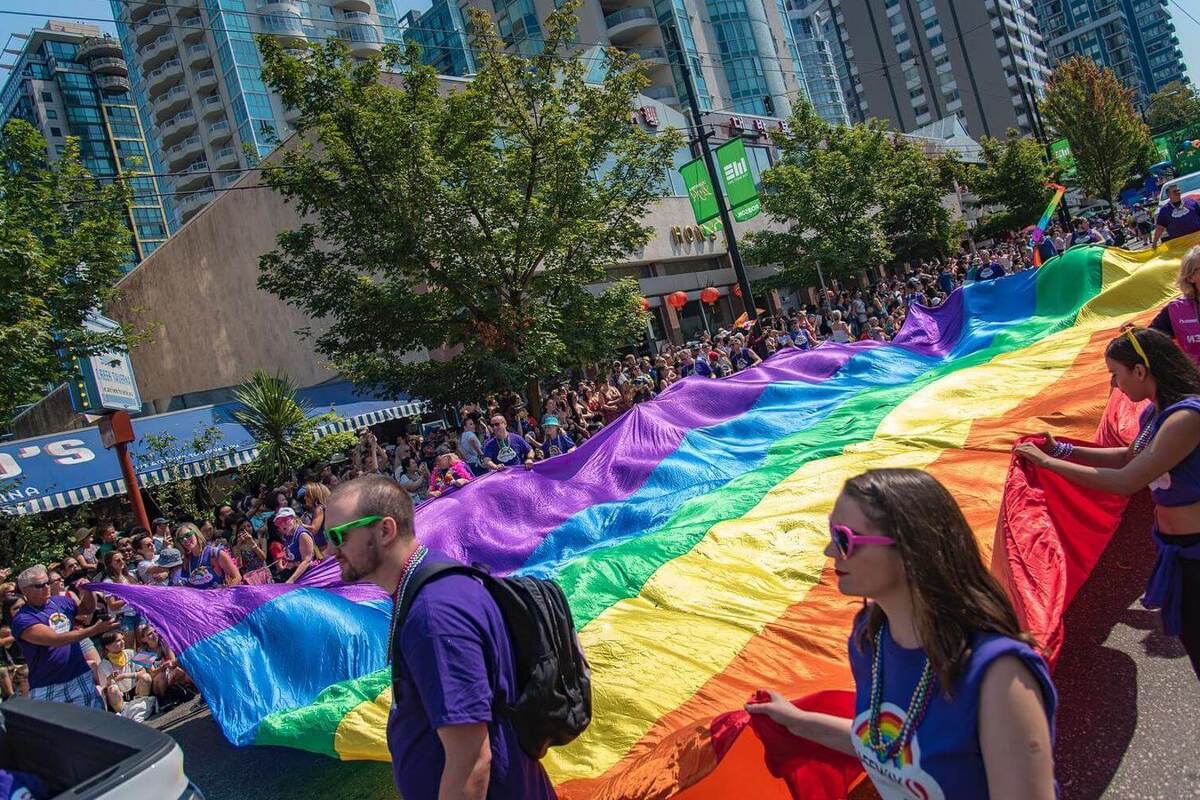
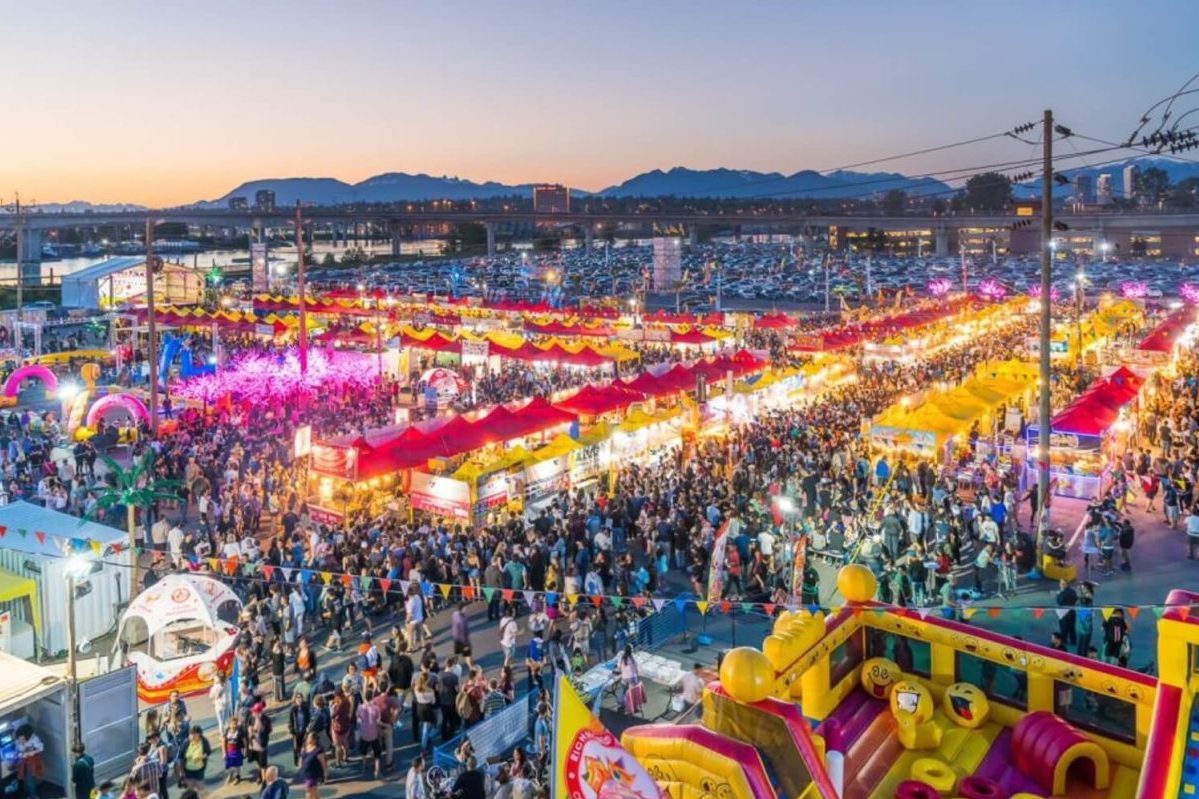
Food is our common source of energy. Its power is rooted in the foundations of its origin, which can be identified cross-culturally as a source of pleasure and health to be shared. Vancouver is a beautiful city; however, if one looks beyond the vast landscapes marked by the North Shore Mountains and the hydrological basin of the Fraser River, streets and alleyways of infinite human connections, disconnections, relations and dislocations exist. Our city hosts one of the largest immigrant demographics in the world -- and this sector is embarking on further rapid growth in the near future.
Viewing Vancouver through this lens, we see a space of multi-cultural and ethnic celebration challenged by the social and economic ramifications that outbreak as a result of adjustment to such changes. This is where the role of community integration comes in as a tool that acknowledges and embraces the commonality that we all have in food. People are thinking more about food beyond just our culinary choices. Food is a political act -- and in this way, it's capable of empowering people to make ethical choices -- choices that benefit our future.
Amongst concerns of housing and education, there has also been an increasing awareness on environmental sustainability, triggering a movement within the last decade towards building a "greener city". There are many ways city folks can grow towards a more sustainable lifestyle, in which all levels of decision-making in the city play a part in determining how these changes take effect.
We believe here that the transition toward a more vibrant, inclusive, and sustainable community starts with something important -- a sense of belonging. The more we feel included and connected to one another, the more empowered we are in making a difference in our community by taking care of what we belong to. The space that lies beyond our private yards and nuclear social relations holds the chance to build more cohesive and inclusive communities, which extends our creativity, capability and capacity to thrive as urban citizens.
A recent concern about all of this? The level of food security we currently hold in Vancouver. Food security is about the ability to access sufficient, safe, ethical and nutritious foods -- knowing that our city has the capacity to meet the basic food needs of its people. Oil-based resources, from synthetic fertilizers to herbicides and machine-run farms, are all unsustainable -- and these environmentally detrimental practices drive our conventional mass-produced food system.
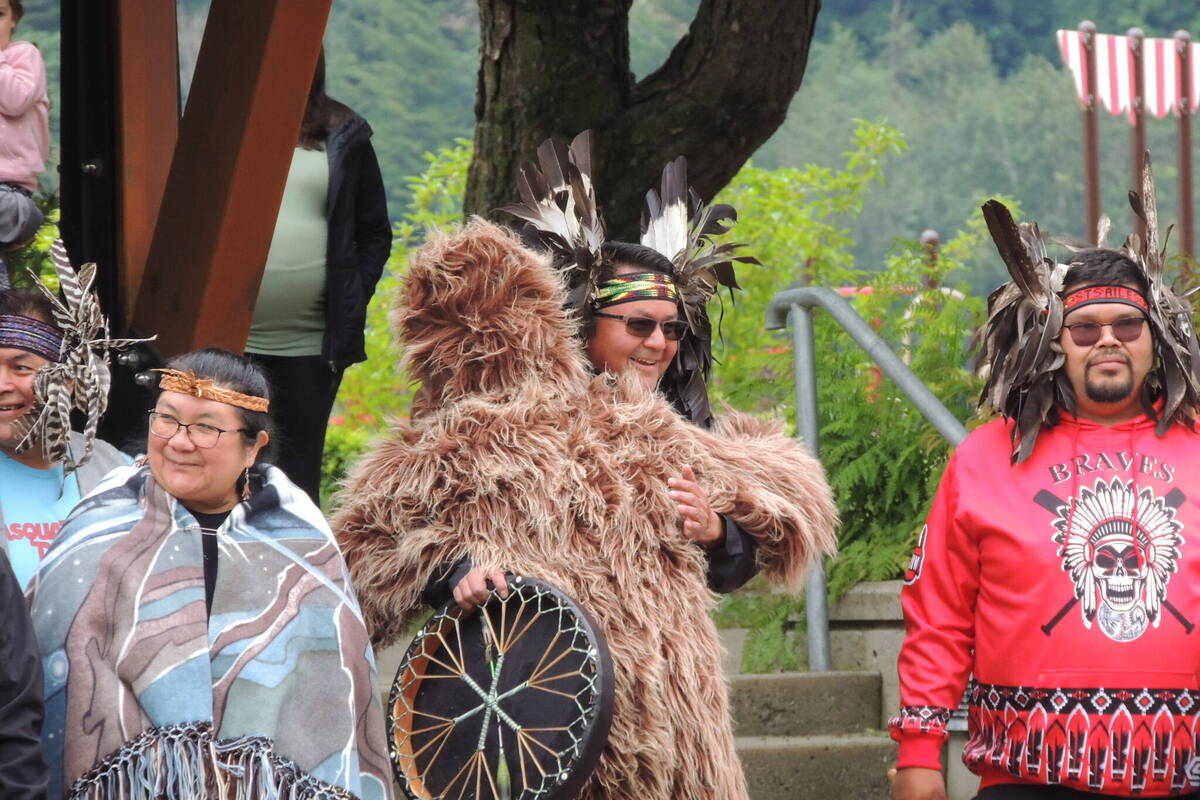
What do we really believe, then? That decreasing our reliance on imported produce, on any scale, is beneficial to our modern lives. That increasingly effervescent urban agriculture can't neglect various social and economic conditions of people living in the cities. That financial resources shouldn't restrict one from accessing land and tools needed to garden. We have found that urban gardening possesses great potential to improve food security in our city by creating a space of inclusive participation from diverse communities. This series is geared by our curiosity about the dynamics of social integration of low-income, immigrant, new-comers, and First Nations in Vancouver.
In this series, we aim to display the potential of food security programs such as community gardens, community kitchens, local markets, healthy eating courses, artisanal food caning, etc. to enhance social integration, improving peoples' sense of belonging and empowerment in the city. Our ultimate goal? To promote the value of building earnest communities rooted in urban gardens by showcasing current food initiatives. We believe community gardens and other food security programs can be stages for social change from Montreal to the Vancouver East Side, and we intend to prove it to you.
So check back each week for new examples of "Growing Community Roots" -- and in the meantime, discuss what you think about this all with us. We'd love to hear what you have to say.
This article has been written in collaboration between Marina Prado Nogueira and Vivian Xudan Pan. Photo courtesy of Marina Prado Nogueira.

Discussion
17 Comments
Sort By Oldest First / Newest First
Subscribe
Fantastic work, you guys!
This article really sheds some light on the importance of food security, something that should be of universal concern. Community kitchens and gardens are excellent ways of addressing food security issues, as well as improving the neighbourhood as a whole.
I'm looking forward to the next pieces in this series. The topic of food security as it relates to immigrant communities in our city is one that seems to be ignored when it should be a fundamental element of our dialogues on the topic. Props to both Vivian and Marina for bringing these issues to the public eye.
I'm so glad you're writing about this subject. I'd love to read more about personal experiences with community gardens in and around Vancouver.
Thanks for all your comments so far. It's really inspiring to see such a public interest on this topic.
I think that as a city facing growth of immigrants in the near future, we're embarking on some pivotal changes and with acknowledging/addressing these changes, holds much potential to turn it into something positive and of value… and I think that as we progress, these issues will eventually reach more prominence.
In the mean time, I was wondering, what’s your personal view/understanding on food security, food policy, immigrant relations or integration in our city? Do you see this as something that needs to be on the forefront of discussion?
Super excited about sharing my journey of thoughts and experiences, and engaging with you all on future posts!
Very timely series. This is conversation that the whole city really needs to think about in a serious way. I am really looking forward to the next installments of this series.
Awesome article; such an important issue!
This is an exciting series. I'm most interested in how community gardens are connected to, and maybe a nucleus of a broader movement to take back community/public space (AKA the "commons"). For example can/do community gardens connect with local food co-ops/farmers markets etc.. How could/do participants of community gardens connect with public space advocates the Vancouver Public Space Network? What about social housing groups?
Congrads Vivian, this is an amazing initiative! Thank you for bringing important issues to the spotlight :)
yes, i'm glad you girls posted on this. this is an important issue to talk about. especially when it's about making sure people have food within the community. and i think it's a wonderful idea that there are more urban gardens and communities popping up everywhere! i know how detrimental it is to have the government and other huge supporters backing up food programs. even with food shelters, i've seen how successful it is with my own eyes. i'm glad we already have places like these.
If you're not already connected, I think you may be interested in connecting with http://www.rangichangi.ca ... (on Twitter as @rangichangi)... intercultural alliance for climate action, environmental sustainability, etc.
Past events have included some speakers on intercultural food security.
- Lisa
I haven't connected yet, but have heard of rangichangi roots and some of the events they've held in Vancouver so far. Definitely am interested in writing a piece or conducting an interview on the organization in the near future, thanks Lisa for the reference!
Perhaps if the city were to relax some of the barriers to getting a plot started than more people would have the freedom and the resources to get involved.
hi sarah- sorry for the delay in my response to you... I thought I'd share a little with you of what my experience gardening has been like. I recently started a plot in the extension of the cottonwood community garden, along with a couple of friends. our philosophy is based on easy-going communication and sharing of our gardening responsibilities. we all commute a 20' bike ride to the garden- and yes we fault every now and then by not watering in a hot summer day. but overall our garden is going great! It's modest, I must say- but we have wild strawberries, beets, beans, broccoli, basil, tomatoes, zucchinis, squashes... all looking healthy! we started many from seed since we didn't have much money to buy various seedlings. there's still some room left and we're on our way to adding some winter veggies such as cabbages, kale, and endives. for our first season urban gardening it's been fantastic. I think about our plot everyday even when I don't make out there- and it brings my mind&body health and peace. the work parties, when everyone works together are a great effort, with easy talks in between a shovel or two. people mingle, share seeds, share thoughts, and slowly I find myself happy to see familiar faces weeding and watering their foods. more to come...
hi steve, social housing is definitely at stake in vancouver. they must be affordable, enjoyable, and sustainable. new social housing in the city have the potential to bring food security and community sense back into people's lives by having shared kitchens that encourage people to share the kitchen space and mingle with neighbors that way. also, I've seen photos of social houses in germany that are built with the aim of cheap utilities usage, water treatment, as well as roof-top and balcony gardening. I'm going to search specifically for that article and i'll post it here.
hi Lisa, thank you for the link to this organization. It's good to stay in tune with local actions like these. in the end it's all connected- climate change can be an overwhelming topic at times for the magnitude and abstraction of such- but growing food for example is a means to change what surrounds you and affect the earth and people around us in a positive, subtle way.
to all-
as a final thought to this blog entry I would like to emphasize that my experience gardening on vancouver east side has enforced the idea that individual plot gardening is great- but not the answer to economic, environmental, or social issues. the economic and social need especially in vancouver are elsewhere than conventional urban gardens. the efficiency and outcome of growing food in small plots is low- and if we're actually looking at a scenario to feed the population that is marginalized from access to investing in these plots the scale and source of urban gardens needs to go beyond. I think the NGOs have a great potential to focus on larger gardens that aim at producing more collectively- for the members of the garden and potentially working as a source of alternative income in the production of canned goods, for example.
Congratulations on this great initiative! This is an important topic on many levels: food security, urban agriculture, inclusive environmental projects that demonstrate we ALL have a stake in maintaining a healthy climate, healthy bodies. We'd love to connect with you at RangiChangi Roots: Many Cultures, One Climate. Our mission is to bridge the gap between the green sector and the many diverse ethno-cultural groups in the lower mainland. We want to support communities in their sustainability initiatives and connect groups to each other. Drop us a line on our facebook group page:
http://ow.ly/2frTF
You may be interested in connecting with the YMCA Intercultural Gardens on the rooftop of St. Pauls Hospital. The goal of the Intercultural Community Gardens Project is to make Vancouver more welcoming and inclusive for everyone, including new immigrants.