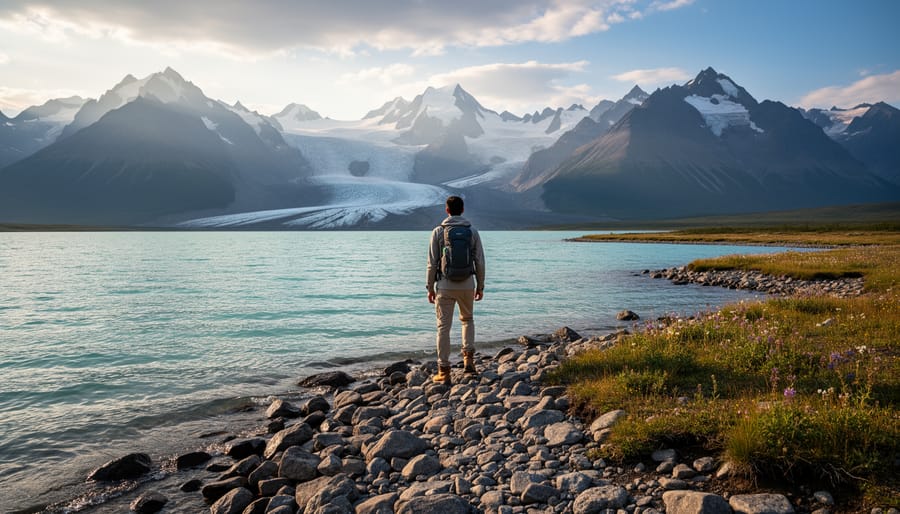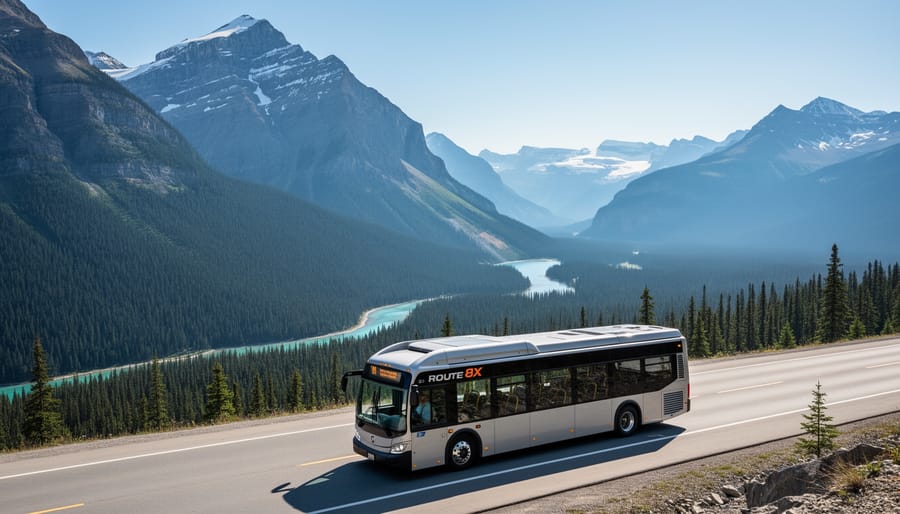
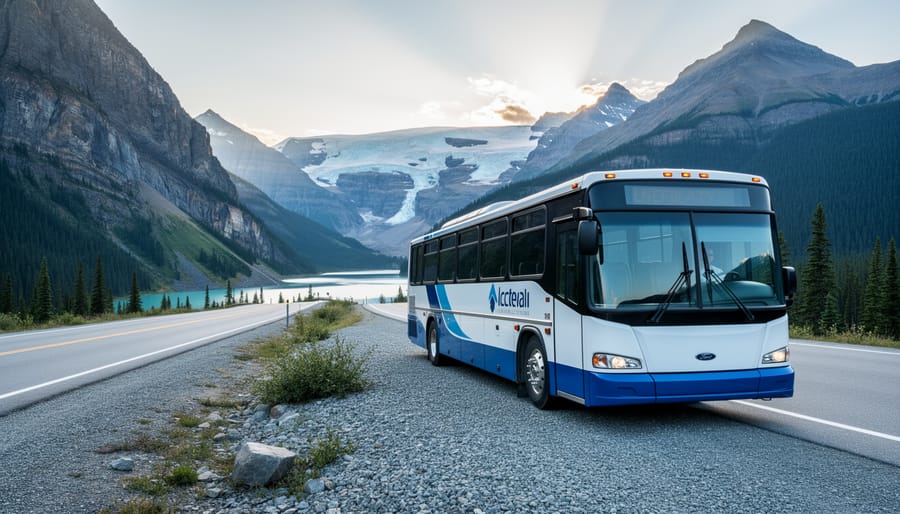
The Icefields Parkway between Banff and Jasper is a roughly 230-kilometre mountain road that takes a full day to travel, and if you’d rather not drive it yourself, a seasonal shuttle or guided tour is the easiest way to do it. Pick one, book ahead, pack layers, and plan on a long, scenic day with several stops rather than a quick transfer. Think of this guide as your Banff-Jasper connector: a practical walk-through of the shuttle options, what to bring, how to stay safe, and what you’ll see along the way.
I first came at this route the way many visitors do, assuming it was just a long drive between two famous towns. It isn’t. The road climbs past glaciers, turquoise lakes, and wildlife jams that stop traffic for no reason other than a bear on the shoulder. If you’ve already worked out how to get from Banff to Lake Louise you’ve done the easy first leg. The stretch beyond is more remote, with limited services and weather that changes fast.
One insider tip before we start: shuttle schedules, prices, and road conditions shift by season, so confirm everything directly with the provider and official sources before you commit.
What to Know Before You Book: Shuttle, Tour, or Self-Drive?
How We Chose What to Include in This Guide
We built this guide around four simple questions. First, is it easy for a first-timer? If you’ve never been to the Rockies, you shouldn’t need a map, a mountain-driving résumé, or a spreadsheet to follow along. Second, does it get you to the scenery? The whole point is those turquoise lakes and glacier views, so we leaned toward options that actually make room for viewpoints.
Third, we kept practicality in mind for people arriving by bus or air, since plenty of Vancouver-based travellers land in Calgary or Banff without a rental car. Fourth, we prioritized information that holds up over time, so you’ll find what to look for rather than a snapshot of the moment.
One honest caveat: schedules, routes, and fares change often, sometimes season to season. Treat everything here as planning guidance, and confirm the details directly with your provider before you book.
What to Bring and Book: Tools and Materials for the Parkway Trip
The Icefields Parkway is one of those trips where a little prep pays off twice: once in comfort, and again in how much you actually enjoy the view instead of fumbling for a charger. The good news is that riding a shuttle or guided connector means you don’t need to haul much gear. Here’s how I’d sort it.
- Pack in your day bag: Layered clothing, including a warm mid-layer and a windproof shell
- Refillable water bottle and a few snacks, since food stops along the route are limited
- Sunscreen and sunglasses, because glacier glare is no joke at altitude
- A fully charged phone with offline maps downloaded before you leave town
- A camera or phone with plenty of storage space for photo stops
- A small amount of cash plus a card for the few cafés and services on the way
- Confirm before you go: Your reservation confirmation and exact pickup point and time
- Photo ID, which some operators ask to see at check-in
- Luggage rules and size limits for your service
- Whether a park pass is included in your fare or needs to be arranged separately
On bear spray, the short version is that it’s usually not something you need to carry on a shuttle or guided trip. Guides typically manage wildlife safety for the group, and you’ll mostly be near the vehicle or on short, busy viewpoint paths. If you plan to hike on your own beyond the standard stops, that’s a different conversation, so check with your operator and Parks Canada before packing any.
A Parks Canada pass is your entry permit for national parks like Banff and Jasper. It generally applies to anyone stopping within park boundaries, and the Icefields Parkway runs straight through them. Some tours fold the cost into your fare, while others leave it to you. Fees and rules change, so confirm current requirements through the official Icefields Parkway park passes information before you travel. My insider tip: screenshot your confirmation and pass details so they’re ready even when cell service drops out.
Safety Warnings: Weather, Wildlife, and Limited Services on the Parkway
The Icefields Parkway is a high-mountain road, and it behaves like one. The good news is that a few simple habits keep the risks small, and riding a shuttle takes most of the driving ones off your plate.
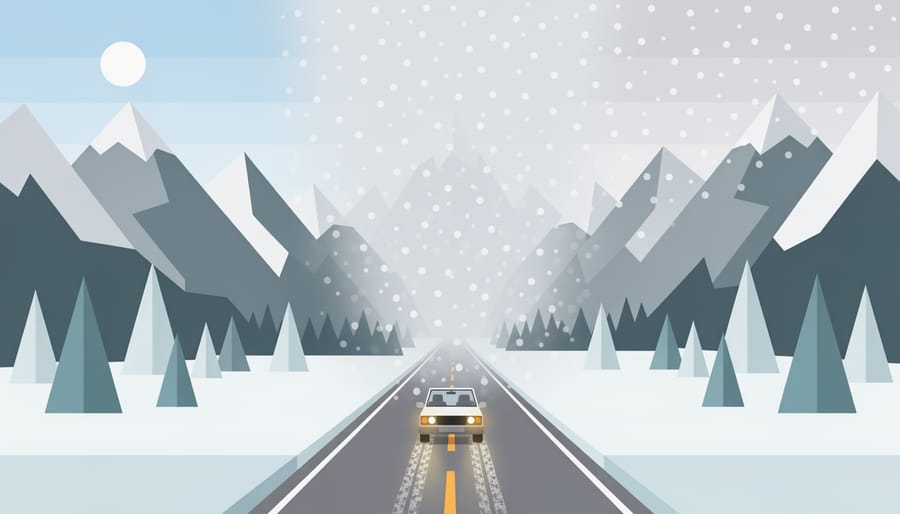
Weather is the big variable. Conditions can swing from sunny to sleet within an hour, and snow or ice can show up early in the fall and linger well into spring. Services are also thin. There are long stretches with no fuel, food, or cell coverage, so download your offline maps and carry water and snacks before you leave town.
Wildlife is part of the magic here, and bears, elk, and bighorn sheep often turn up right beside the road. Stay in or near your vehicle, never approach or feed an animal, and give it plenty of room. If your shuttle pauses for a sighting, follow your driver’s lead.
Temperature is the one that catches people out. I stepped off the bus at the Columbia Icefield in a T-shirt on a warm afternoon and felt the air drop within minutes as the cold rolled off the ice. Bring a warm layer and a windproof shell, even in summer. Stay on marked paths near glacier edges too, since hidden crevasses, meltwater, and loose ice are genuine hazards.
Know when to hit pause. Reschedule or reconsider if there’s a road closure advisory or a severe weather warning. Check current road conditions through official sources such as Parks Canada and the provincial and Alberta road reports, and confirm with your shuttle provider before you head out. For broader trip-planning context, our BC national parks guide covers more of what to expect in the mountains.
Step-by-Step: Planning and Riding the Banff to Jasper Route
The Stops Worth Your Time Along the Way
Every shuttle or tour makes its own call on stops, so treat this as a menu of what the corridor offers, not a promise. Conditions and the season matter too: a viewpoint that’s glowing in July can be fogged in or snowed over in shoulder months.
Bow Lake is usually the first one that makes people go quiet. It sits just off the road, a wide, glacier-fed sheet of water that shifts between milky turquoise and deep blue depending on the light. On a calm morning the surrounding peaks mirror almost perfectly, and it’s an easy place to stretch your legs without committing to a hike.
Peyto Lake viewpoint is the postcard shot. You walk a short uphill path to an overlook, and below you is a lake whose vivid blue-green colour comes from fine rock flour carried in by glacial meltwater. It’s a popular stop, so an earlier arrival tends to mean fewer elbows in your photos.
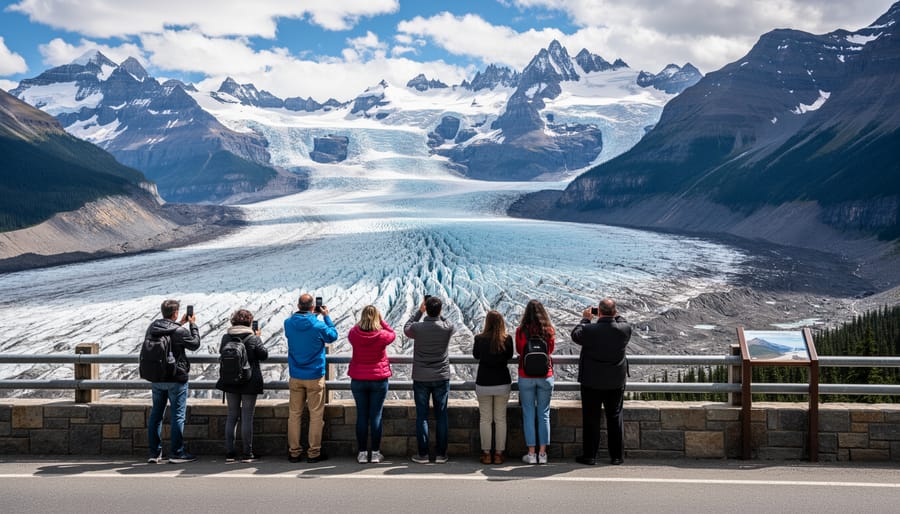
The Columbia Icefield area is the emotional high point of the drive. This is one of the largest icefields in the Rockies, and standing near its edge you can see the Athabasca Glacier spilling down the valley. Bring a jacket even in summer. The air coming off the ice carries a real bite, and the scale of it is hard to take in until you’re standing there.
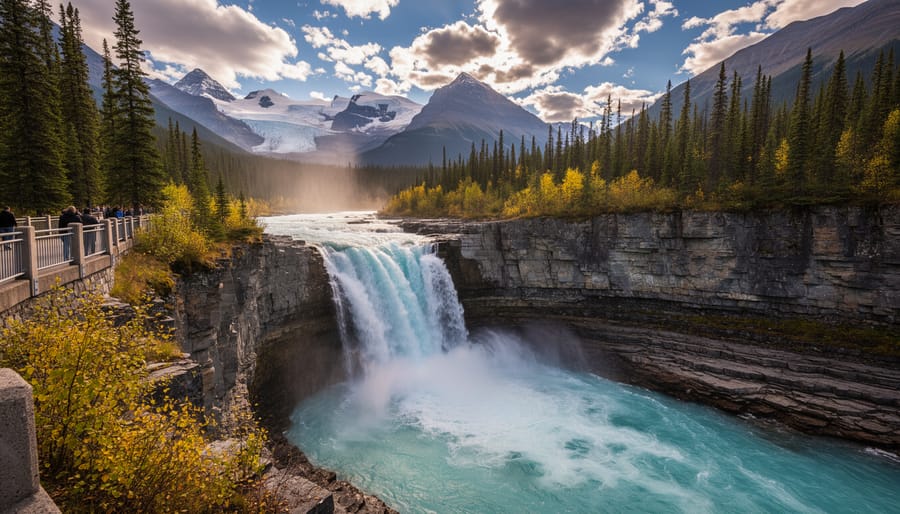
Athabasca Falls, closer to Jasper, is about power rather than height. The river squeezes through a narrow rock channel and thunders into a gorge, throwing spray you can feel from the railings. Stay behind the barriers; the rock is slick and the water is far stronger than it looks.
Even if your service only stops at a couple of these, you’ll still see the corridor’s character. Ask your provider which viewpoints are included before you book.
Timing Your Trip: Best Seasons and Time of Day for the Parkway
Summer gives you the easiest run: long daylight, open viewpoints, and the full parade of turquoise lakes. It’s also the busiest, so parking lots fill and the popular stops get crowded by midday. Fall is my personal favourite. Golden larches and thinner crowds make the whole corridor feel calmer, though the weather turns quickly and the days shorten.
Winter is dramatic, with snow-draped peaks and frozen lakes that look like another planet. It also brings tougher road conditions and fewer services, so it suits flexible travellers who are happy to reschedule. Spring is the wild card. You might get sunshine one day and lingering snow the next, so pack layers and keep your plans loose.
One insider tip works in any season: start early. Morning light is softer, the lakes are often glassy, and you’ll share the viewpoints with far fewer people. If you’re sorting out the rest of your trip, these travel timing tips can help you work around busy periods.
Verifying Your Plans and What to Do Next
Before you head out, run through a quick confirmation pass. Open your booking email and check the pickup point, time, and luggage rules, since connectors often limit bag size. Save the provider’s phone number in your phone, because cell coverage disappears for long stretches on the parkway. Then check current road conditions on the official Alberta and Parks Canada sources the morning you leave, not just the week before.
On the other end, sort out your Jasper accommodation and a rough plan for your first evening, and make sure your Banff arrival logistics line up with your departure time. A buffer night in Banff saves a lot of stress.
Next, think bigger. A Rockies leg pairs beautifully with a Vancouver trip, and if you’re still building the coastal half, our guide to Parks near Vancouver is a great place to start.
Frequently Asked Questions About the Icefields Parkway Shuttle
Here are the questions we hear most from people planning this trip. Schedules, fares, and conditions change, so treat these answers as a starting point and confirm the details with your provider and official sources.
How long does the trip take?
The drive is roughly 230 km and takes about three hours without stopping, but shuttles and tours with viewpoint stops run considerably longer. Ask your provider how much time is built in for photos and breaks.
Can I do it as a one-way trip?
Yes, many connector-style services are designed for point-to-point travel between Banff and Jasper, in either direction. Confirm one-way availability and return options directly with the provider.
Do I need a park pass?
Stopping inside Banff and Jasper national parks generally requires a Parks Canada pass. Check the official Parks Canada site for current requirements, and ask your provider whether the pass is included in your fare.
Is luggage allowed?
Most services accept luggage, but size and quantity limits vary. Check the baggage rules when you book, especially if you’re travelling with large suitcases.
What if the weather is bad?
Mountain weather shifts fast, and snow or ice can show up outside the summer months. Providers may adjust or cancel trips for safety, so ask about their policy and check current road conditions through official sources before you leave.
Is the parkway safe in winter?
It can be, but winter brings tougher road conditions, reduced services, and the possibility of closures. This is a good season to let an experienced operator handle the driving, and to stay flexible with your dates.
Our best tip is to settle these questions before booking, not at the pickup point. A quick message to your provider usually clears up luggage and weather policies in a day, and it saves a lot of stress on travel morning.
The Icefields Parkway really is one of the most memorable journeys in the Rockies, and you don’t need a rental car to enjoy it. A shuttle or connector gets you from Banff to Jasper while you stay free to look out the window, which is the whole point of the trip.
Before you go, confirm your pickup time, luggage rules and route details directly with your provider, since schedules and conditions change. Check official road updates the morning you leave, too.
Pack for all four seasons in one day. The weather can swing from warm sunshine to biting wind within a few kilometres, so layers, a warm hat and sunglasses earn their space in your bag. If you enjoy year-round outdoor planning you already know that flexibility is half the fun.
Most of all, leave room for the unplanned moments: a turquoise lake you didn’t expect, a pullout where the light hits just right. Those are the photos you’ll keep. Enjoy the ride, and welcome to Jasper!