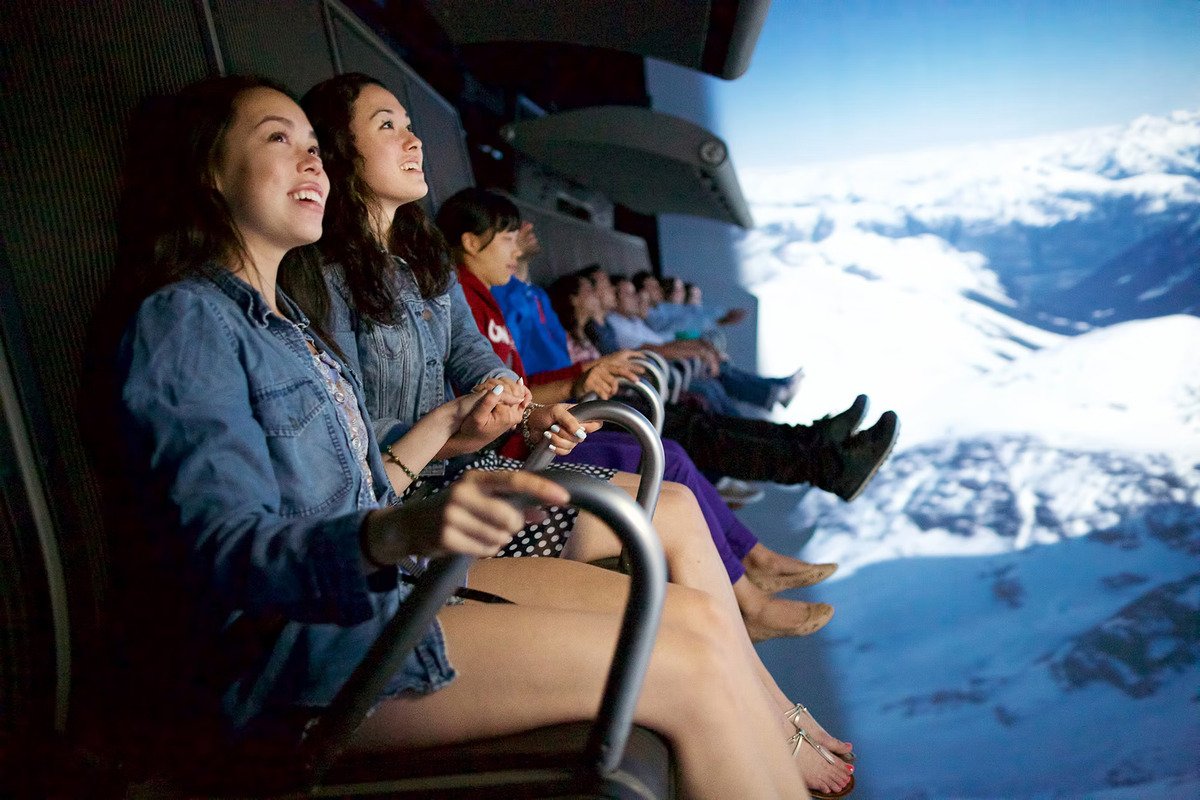

Vancouver sits between ocean and mountains, which means you can kayak in the morning and hike alpine meadows by afternoon. I’ve lived here for years, and I still get that rush when I look up from downtown streets to see snow-capped peaks just 30 minutes away.
The city’s outdoor scene works year-round. Summer brings paddleboarding at English Bay and mountain biking through old-growth forests on the North Shore. Winter transforms those same mountains into ski terrain at Grouse, Cypress, and Seymour. Spring and fall? That’s when the trails are quietest and the light hits just right for photography.
What makes Vancouver different is how accessible everything is. You don’t need a car to reach many spots. I’ve taken the SeaBus to North Vancouver for trail runs, biked the Stanley Park Seawall during lunch breaks, and caught sunset from Kitsilano Beach after work. The city built itself around these outdoor spaces instead of paving over them.
You’ll find activities for every skill level here. First-time kayakers can paddle False Creek’s calm waters. Experienced climbers tackle granite faces in Squamish, an hour north. Families cycle the flat paths around False Creek. Solo adventurers backpack the Howe Sound Crest Trail.
The trick is knowing which activity fits which season and your fitness level. Some trails turn into muddy streams during rainy months. Others require reservations during peak summer weekends. This guide breaks down what to do, when to go, and how to get there without the usual tourist traps or overcrowded hotspots.
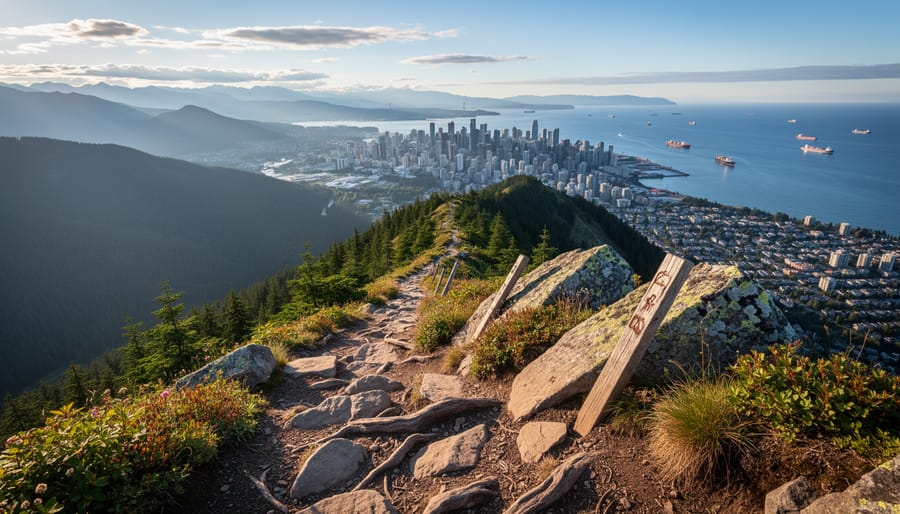
Mountain Adventures Within City Limits
Hiking Trails for Every Fitness Level
Vancouver’s trail system offers something for everyone, from casual strollers to serious mountain athletes. If you’re just getting started, Quarry Rock in Deep Cove makes a perfect introduction. This 3.8-kilometer round trip takes about two hours and rewards you with stunning views of Indian Arm. The trail can get muddy after rain, so bring proper footwear. Pro tip: arrive before 10 a.m. on weekends or prepare for a parking nightmare.
For intermediate hikers ready to level up, the Lighthouse Park trail in West Vancouver combines forest walks with ocean views. The paths wind through old-growth trees before opening onto rocky outcrops overlooking the Strait of Georgia. Pack layers since it’s often cooler near the water.
Then there’s the legendary Grouse Grind. Locals call it “Mother Nature’s Stairmaster,” and they’re not kidding. This 2.9-kilometer climb gains 853 meters in elevation, mostly via steep stairs and roots. I’ve watched tourists in flip-flops turn back after ten minutes, so don’t underestimate it. Check out our Grouse Grind tips for detailed preparation advice. Start early to avoid crowds and the midday heat.
No matter which trail you choose, bring more water than you think you’ll need and download the trail map beforehand since cell service can be spotty. A lightweight rain jacket belongs in your pack year-round because Vancouver weather changes faster than you can say “liquid sunshine.”
Winter Sports Just 30 Minutes Away
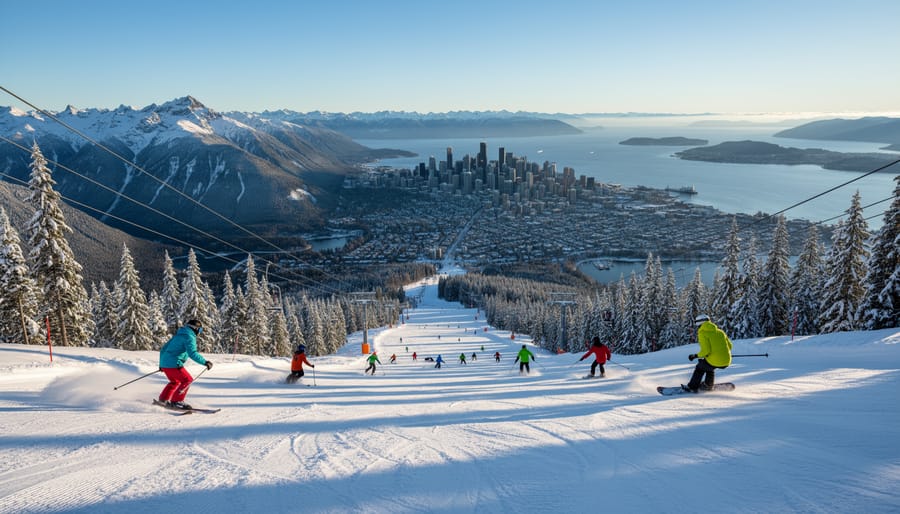
Here’s the thing about Vancouver: you can literally go from sea level to the slopes in under an hour. Grouse Mountain, Cypress, and Mount Seymour sit right on the North Shore, making local mountain skiing ridiculously accessible for a major city. I’ve gone snowboarding after work more times than I can count.
Each mountain has its own vibe. Grouse offers night skiing with spectacular city views, while Cypress hosted the 2010 Olympic freestyle events and tends to have the best snow conditions. Seymour is often the most budget-friendly option and perfect for beginners.
Here’s an insider tip: lift tickets can run $80-100, but you’ll save big by purchasing midweek or after 5pm. Better yet, grab an early season pass in September when mountains offer payment plans. Many locals buy passes and the investment pays off after just six visits.
First-timers should hit the mountains mid-January through February for reliable snow. Avoid holiday weekends unless you enjoy lift lines. Snowshoeing is an affordable alternative at around $20 for rentals, and the backcountry trails offer peaceful forest settings away from the ski crowds.
Mountain Biking on World-Class Trails
Vancouver’s mountain biking scene has earned legendary status among riders worldwide, and you don’t need to be a pro to experience it. The North Shore is ground zero for the sport, where trails like Fromme and Seymour offer everything from beginner-friendly flow trails to technical descents that’ll test your skills. First-timers shouldn’t worry though. Plenty of rental shops near the mountain provide full-suspension bikes and protective gear, and many offer shuttle services to trailheads.
What makes Vancouver special is how accessible these trails are. You can literally ride from downtown to world-class singletrack in under 30 minutes. Local bike shops along Main Street and in North Vancouver rent quality mountain bikes starting around $80 per day, and staff are genuinely helpful about matching you with trails that suit your ability level. A few even offer guided tours if you want someone to show you the ropes and point out the continuous path around Stanley Park connections.
Insider tip: hit the trails on weekday mornings for smaller crowds and tacky conditions that make the terrain more forgiving.
Ocean and Waterfront Experiences
Paddle Your Way Through the City
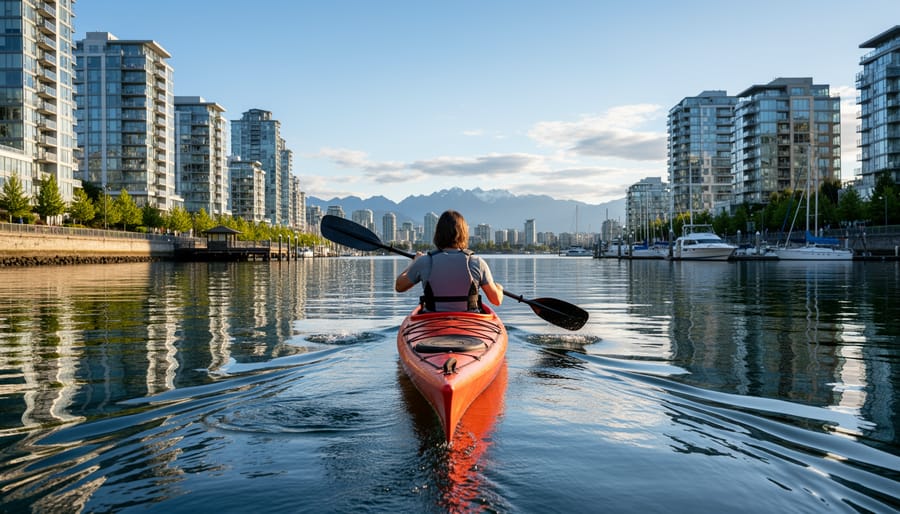
There’s something magical about experiencing Vancouver from the water, where the city skyline meets mountain reflections and you realize just how unique this place really is. Grab a paddle and explore the coastline at your own pace.
False Creek is perfect for beginners. The protected waters stay calm most days, and you’ll glide past floating homes, under the Burrard and Granville bridges, and alongside Science World’s iconic dome. I love paddling here on weekday mornings when the water is glassy smooth and you can spot seals popping up near the seawall. Ecomarine Paddlesport Centre at Jericho Beach and Granville Island offers kayak and paddleboard rentals with all the gear you need. They’re helpful with first-timers and can suggest routes based on your comfort level.
For a more adventurous outing, Deep Cove is where locals head on weekends. The village itself is charming, with that famous doughnut shop for post-paddle treats, but the real draw is Indian Arm. This glacial fjord stretches for miles, surrounded by towering mountains and old-growth forest. Deep Cove Kayak rents equipment and runs guided tours that take you to hidden waterfalls and granite cliffs. The three-hour tour to Twin Islands is absolutely worth it if you want someone else handling navigation while you soak in the scenery.
Pro tip: book rentals in advance during summer weekends, especially for Deep Cove. And always check the weather and tides before heading out.
Beach Days and Coastal Walks
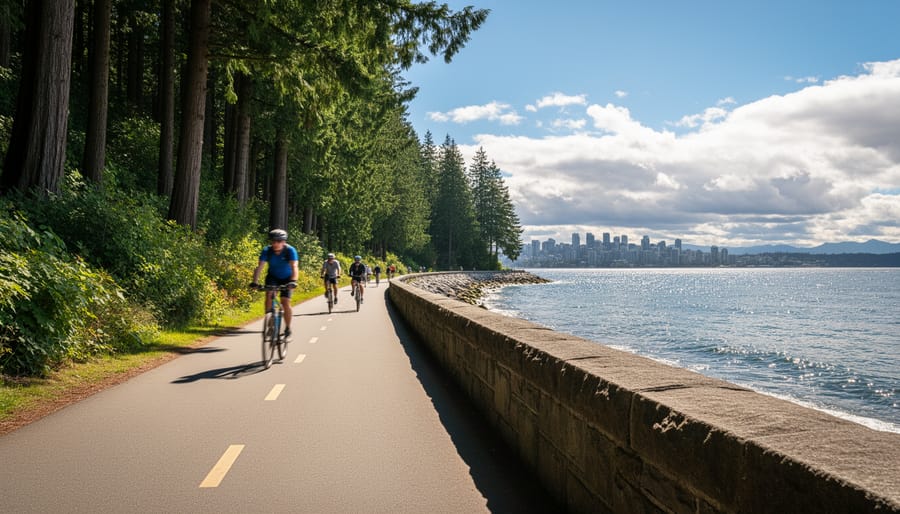
Vancouver’s beaches deliver something most cities can’t offer: mountain-backed coastlines where you can sunbathe with snow-capped peaks in view. The crown jewel is the Seawall, a 28-kilometer paved path that wraps around Stanley Park and continues through False Creek to Kitsilano Beach. I’ve cycled this route countless times, and it never gets old watching the sunset paint English Bay orange while cargo ships drift past.
English Bay and Kitsilano Beach are the go-to spots for swimming and people-watching during summer months (June through September, realistically). English Bay gets packed on warm weekends, with locals claiming their spots early for volleyball games and picnics. Head to Kits Beach if you want a slightly more relaxed vibe and one of the best outdoor saltwater pools in the city, though the water stays bracingly cold until late July.
Here’s an insider tip: Spanish Banks and Locarno Beach offer warmer, shallower waters and fewer crowds. The tide goes out incredibly far here, creating warm tidal pools perfect for kids.
Winter transforms these beaches completely. You won’t be swimming (unless you’re polar bear plunge enthusiastic), but storm-watching walks along the Seawall from November through February have their own drama. Bring layers and a waterproof jacket. Third Beach in Stanley Park offers protected coves for contemplative winter walks.
Don’t miss Wreck Beach if you’re comfortable with clothing-optional environments. The steep trail down keeps it less crowded, and the community here is respectful and welcoming. Just remember those stairs on your way back up.
Urban Parks and Green Spaces
Stanley Park: More Than Just the Seawall
While most visitors stick to the famous Seawall, exploring Stanley Park reveals a whole other world just steps from the waterfront path. I’ll never forget stumbling upon Beaver Lake on a foggy morning, the lily pads creating an almost otherworldly scene that felt miles from the city.
The interior trails offer surprisingly peaceful escapes. The Cathedral Trail loops through towering Douglas firs and western red cedars, some over 700 years old. You’ll barely hear traffic noise here, just the crunch of needles underfoot. For something shorter, the Rawlings Trail connects the rose garden to Lost Lagoon and takes maybe 10 minutes, but it’s gorgeous year-round.
Lost Lagoon itself deserves more than a quick glance. Bring binoculars if you have them. The resident trumpeter swans are massive up close, and during migration season, you might spot diving ducks and herons feeding along the edges.
Here’s an insider tip: the Third Beach area gets far less crowded than Second Beach, especially on summer weekends. The sunset views rival anything you’ll find in the park, and there’s a beautiful forest trail connecting it to the Ferguson Point Teahouse if you time it right for dinner.
Don’t skip Prospect Point either. Most people just stop at the lookout, but the trails branching down toward the shore offer incredible views of the Lions Gate Bridge from below.
Hidden Gems in Pacific Spirit Park
Tucked between UBC and the city, Pacific Spirit Park feels like Vancouver’s best-kept secret, even though it sprawls across 874 hectares of coastal temperate rainforest. I’ve spent countless mornings here and rarely encounter the crowds you’ll find at Stanley Park. Locals treasure this place precisely because it offers that escape-into-the-wilderness feeling just minutes from campus.
The trail network is extensive, with over 70 kilometers of paths weaving through towering cedars and ferns. For a gentle introduction, try the Sword Fern Trail loop (about 3 kilometers), which showcases the lush understory that makes BC forests so magical. More adventurous hikers love the Salish Trail, which winds down to Spanish Banks Beach, giving you forest and ocean in one outing.
Here’s an insider tip: grab a trail map at the park entrance or download one before you go. The paths intersect frequently, and it’s surprisingly easy to lose your bearings in the dense canopy. But getting a little lost? That’s half the charm of this urban wilderness.
Neighborhood Parks Worth Exploring
Not every outdoor gem in Vancouver requires a hike or boat rental. Some of the city’s most memorable green spaces sit right in residential neighborhoods, offering surprising tranquility and beauty without the trek.
Queen Elizabeth Park perches on the city’s highest point, giving you sweeping views of downtown and the North Shore mountains. The Bloedel Conservatory at the summit houses free-flying tropical birds and exotic plants under a triglobe dome. I love visiting in early spring when the cherry blossoms create a pink canopy along the pathways.
VanDusen Botanical Garden sprawls across 55 acres with themed gardens from around the world. The Elizabethan hedge maze is harder than it looks, and the seasonal displays (especially the Festival of Lights each December) transform the space completely. Pro tip: arrive when it opens to photograph the gardens before crowds arrive.
For something entirely different, Dr. Sun Yat-Sen Classical Chinese Garden in Chinatown is the first authentic classical Chinese garden built outside China. The scholar’s garden design creates unexpected pockets of serenity through careful placement of rocks, water, and architecture. Guided tours reveal the symbolic meanings behind every element, making the $15 admission worthwhile.
Cycling the City and Beyond
The Seawall: Vancouver’s Crown Jewel
If you only do one thing in Vancouver, make it the Seawall. This 28-kilometer paved path encircles Stanley Park and continues around False Creek, offering jaw-dropping views of mountains, ocean, and city skyline at every turn. I’ve cycled the complete Seawall route dozens of times, and honestly, it never gets old.
Start at Canada Place downtown or rent bikes near English Bay. The entire loop takes about two to three hours at a leisurely pace, though you’ll want to stop frequently. Trust me on this. Between the totem poles at Brockton Point, the beach views at Third Beach, and the colorful houseboats in False Creek, there’s plenty worth pausing for.
The path is mostly flat and suitable for all fitness levels, but here’s an insider tip: go counterclockwise from Coal Harbour through Stanley Park. You’ll ride on the ocean side with unobstructed views rather than hugging the inside lane. Early mornings offer fewer crowds and incredible light for photos, especially during summer when the sun rises over the North Shore mountains.
Bike rental shops line Denman Street and have everything from cruisers to e-bikes. Expect to pay around twenty dollars for a few hours. Helmets are mandatory in BC, so they’re included with rentals.
Bike Rentals and Share Programs
Vancouver’s bike-share system, Mobi, offers the easiest way to grab two wheels and explore the city on a whim. You’ll spot the cheerful blue bikes at docking stations throughout downtown, the seawall, and across most neighborhoods. Pricing is straightforward: a single 24-hour pass costs $12.75 (plus tax), giving you unlimited 60-minute rides during that period. If you’re sticking around longer, a 30-day pass runs about $23.95. Just download the app, locate a nearby station, and you’re off.
Here’s an insider tip: the bikes are sturdy three-speeds with baskets, perfect for casual rides but not exactly speed machines. If you’re planning serious mileage or want something sportier, traditional rental shops are your better bet.
For multi-day adventures or specialized bikes, check out shops like Yes Cycle in Kitsilano or Spokes Bicycle Rentals near Stanley Park. Daily rates typically range from $35 to $50 for standard bikes, with road bikes, e-bikes, and mountain bikes running higher. Most shops offer discounts for longer rentals, which makes sense if you’re planning to explore beyond the city core. Many also provide helmets, locks, and route suggestions, which honestly saves you the guesswork of figuring out the best paths on your own.
Seasonal Outdoor Activities
Spring: Cherry Blossoms and Awakening Trails
Spring transforms Vancouver into one of the most photogenic cities in the world. Usually starting in March and peaking by early April, thousands of cherry trees burst into bloom across neighborhoods like Kitsilano, West End, and Queen Elizabeth Park. The soft pink and white canopies create tunnel-like walkways that locals (myself included) never tire of strolling beneath. For the best cherry blossom viewing spots and bloom forecasts, timing is everything since the peak lasts only about two weeks.
As the rain eases and temperatures climb into the mid-teens, hiking trails that felt soggy in winter suddenly become inviting again. The Baden Powell Trail offers stunning forest sections without the summer crowds, while lower-elevation routes like Quarry Rock reward you with wildflowers and waterfall views. I always recommend bringing layers since spring weather here changes quickly. Pack a light rain jacket even on sunny mornings. This is the perfect season to shake off winter hibernation and rediscover why Vancouver’s outdoor scene is world-class.
Summer: Beach Life and Mountain Peaks
Summer transforms Vancouver into an outdoor paradise. Hit the beaches at English Bay or Kitsilano for swimming and volleyball, or escape the crowds at Third Beach in Stanley Park where the water’s surprisingly warm by July. The real magic happens in the mountains, though. Grouse Grind becomes a sunrise ritual for fitness enthusiasts (it’s punishing but addictive), while the alpine meadows at Elfin Lakes reward you with wildflower carpets that’ll fill your camera roll.
Pro tip: if you’re hiking anywhere above 1,500 meters, bring layers. I’ve shivered through more summit lunches than I care to admit, even in August. The city also comes alive with outdoor festivals and concerts at spots like Deer Lake Park. Pack sunscreen, because that coastal sun is sneakier than you’d think, and the UV index routinely hits extreme levels during cloudless days.
Fall: Rainforest Colors and Crisp Hikes
Vancouver’s fall season transforms the rainforest into a painter’s palette of amber, crimson, and gold. September through November brings cooler temperatures perfect for hiking without the summer crowds. The trails around Quarry Rock in Deep Cove become especially magical as maple trees light up in warm tones, and you’ll often have sections of the path to yourself on weekday mornings.
October is prime storm watching season along the coast. Head to Lighthouse Park in West Vancouver when forecasts predict big swells. The rocky shoreline and towering old-growth trees create dramatic scenes as waves crash against the cliffs. Just stay well back from the water’s edge.
Pacific Spirit Regional Park offers over 70 kilometers of forested trails that showcase fall colors beautifully. I love the quieter trails near Camosun Bog, where you can spot migrating birds preparing for winter. The damp forest floor releases that earthy petrichor smell that defines West Coast autumn.
Pro tip: pack layers and waterproof gear. Fall weather shifts quickly from sunny and mild to rainy and cool, sometimes within the same afternoon.
Winter: Skiing, Snowshoeing, and Storm Watching
Don’t let the rain discourage you. Winter in Vancouver opens up a completely different outdoor playground. The local mountains transform into proper ski destinations, with Grouse, Cypress, and Seymour offering night skiing just 30 minutes from downtown. I’ve finished work at 5 PM and been on the slopes by 6:30, which feels almost surreal for a city experience.
If downhill isn’t your thing, snowshoeing provides a quieter way to explore the winter landscape. The trails at Cypress have stunning viewpoints overlooking the city lights below, and you can rent equipment right at the base. Just dress in layers because you’ll warm up quickly.
Here’s something most visitors don’t consider: storm watching along the coast becomes spectacular in winter. Wreck Beach and Spanish Banks turn dramatic when waves crash against the shore during Pacific storms. Bundle up, grab a thermos of something hot, and watch nature’s power on display. The locals who brave the weather often have the beaches completely to themselves, which feels like discovering a secret side of the city.
Practical Tips for Outdoor Adventurers
Understanding Vancouver’s Weather
Here’s the truth about Vancouver weather: yes, it rains, but that shouldn’t stop you from getting outside. The secret? Think like a local and dress in layers you can peel off as needed.
Vancouver has surprising microclimates. You might leave downtown under grey skies, drive 20 minutes to the North Shore mountains, and find yourself in brilliant sunshine. I’ve experienced this countless times, and it means you should always pack options. A lightweight rain jacket belongs in your bag year-round, even on days that start sunny.
The “rain” reputation mostly applies to winter months (November through March), but even then, you’re looking at drizzle more often than downpours. Summer typically brings gorgeous dry weather from June through September. That said, spring and fall can surprise you with sudden showers followed by rainbows over the water.
My go-to strategy: start with a moisture-wicking base layer, add a fleece or light sweater, and top it with a waterproof shell. Good footwear matters too. Trails get muddy fast after rain, so waterproof hiking boots will keep your adventure comfortable instead of squishy.
Don’t let a grey sky intimidate you. Some of my favorite outdoor experiences happened on misty days when the forests felt mysterious and crowds disappeared. The key is being prepared, not paranoid.
Getting Around Without a Car
Here’s a secret that makes Vancouver’s outdoor scene even better: you don’t need a car to enjoy most of it. TransLink’s public transit system genuinely gets you to an impressive number of trailheads, beaches, and parks.
The SeaBus to North Vancouver drops you right at Lonsdale Quay, where buses connect to popular hiking spots like Grouse Mountain (bus 236) and Deep Cove for kayaking (bus 211). I’ve taken the 236 countless times, and watching the anticipation build on hikers’ faces during that winding climb up the mountain never gets old.
For beach days, grab the 99 B-Line or any bus heading west along Broadway, then transfer to routes that hug the coastline. The number 4 takes you straight to English Bay and Jericho Beach. Spanish Banks requires a bit more planning with the 25, but the sunset views are worth the extra transfer.
Stanley Park is accessible from multiple bus routes, though many visitors enjoy the scenic walk from downtown. The Canada Line whisks you to Richmond’s waterfront trails, while the Expo Line reaches Burnaby Lake’s nature paths.
Download the TransLink app before heading out. Real-time updates save you from waiting in the rain, and trip planning shows you exactly which bus gets closest to your chosen trail. Pack layers and snacks, because transit adventures sometimes take longer than driving, but that’s part of the charm.
Safety and Leave No Trace Principles
Vancouver’s stunning wilderness comes with real responsibility. Always check weather conditions before heading out, and let someone know your plans. I learned this the hard way after a surprise fog rolled into the North Shore mountains during what was supposed to be a quick hike.
Pack the essentials: water, snacks, a charged phone, and layers. Weather shifts fast here, especially at higher elevations. The ten essentials list isn’t just a suggestion.
Leave No Trace isn’t optional in BC’s fragile ecosystems. Stay on marked trails to protect vegetation, pack out everything you bring in (yes, including apple cores), and keep your distance from wildlife. Bears are common, so carry bear spray and know how to use it. Respect trail closures and fire bans during dry summers. These wild spaces stay incredible because we treat them carefully.
There aren’t many cities on earth where you can ski in the morning, kayak in the afternoon, and grab dinner at a waterfront restaurant while watching the sunset over the mountains. Vancouver makes this kind of day not only possible but remarkably easy. The wilderness here doesn’t feel distant or inaccessible. It’s woven right into the city’s fabric, waiting just beyond your doorstep.
I’ll never forget my first winter here, nervously strapping into a snowboard at Grouse Mountain while still able to see the downtown skyline below. That moment crystallized what makes this place special. You don’t need to choose between city conveniences and outdoor adventures. You get both.
The beauty of Vancouver’s outdoor scene is that there’s truly no wrong time to start exploring. New to hiking? The gentle trails around Stanley Park or Lighthouse Park offer stunning rewards without intimidating climbs. Never tried stand-up paddleboarding? Rental shops around False Creek and Deep Cove make it simple to give it a shot. Rainy November day? That’s perfect weather for a forest walk among ancient cedars.
What matters most isn’t your skill level or the season printed on the calendar. It’s showing up. Pack that daypack, charge your phone for photos, and choose one activity that sparks your curiosity. Maybe it’s a sunrise paddle you’ve been thinking about, or finally checking out those North Shore trails everyone mentions. Your Vancouver outdoor story starts the moment you decide to write it.