Beyond Vancouver
About
Beyond Vancouver provides a comprehensive guide to the top destinations, activities, and events in Metro Vancouver. This online resource is tailored for tourists, locals, and anyone seeking insights into the finest spots and happenings in the Lower Mainland. Catering to diverse preferences, the best places in Vancouver can vary from…
Trending
Discover Vancouver
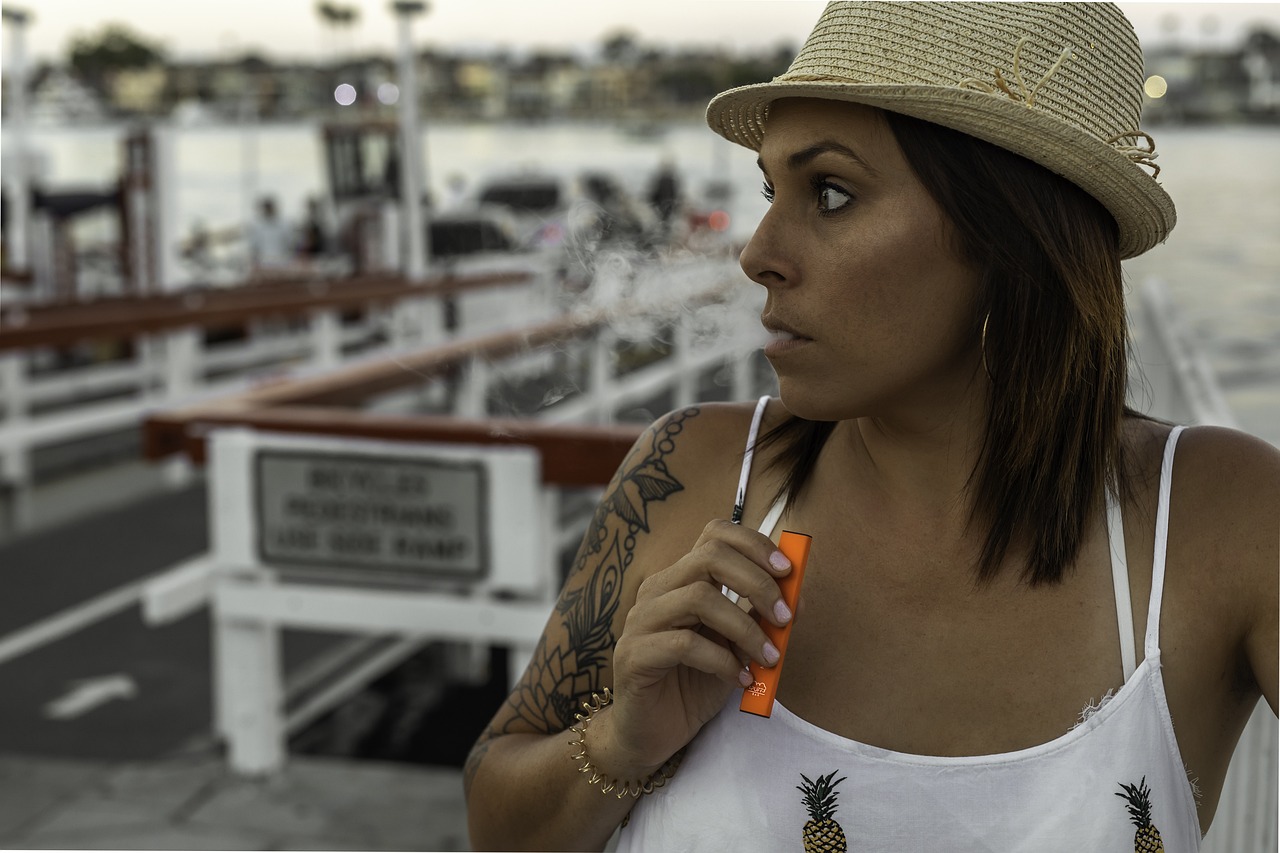
6 Important Things You Should Know about Vaping in Vancouver
Vaping has certainly found its place in Vancouver’s cultural landscape. For locals and newcomers interested in this practice, it’s crucial to understand the specifics that govern vaping and vaping equipement in the city. Here, we delve deeper into the six key aspects that you should know when thinking of vaping once you arrive in Vancouver.
Legal Age for Vaping
In British Columbia (BC), the legal age for purchasing vaping products is firmly set at 19 years old. This rule is strictly upheld across all types of products related to vaping, regardless of ...
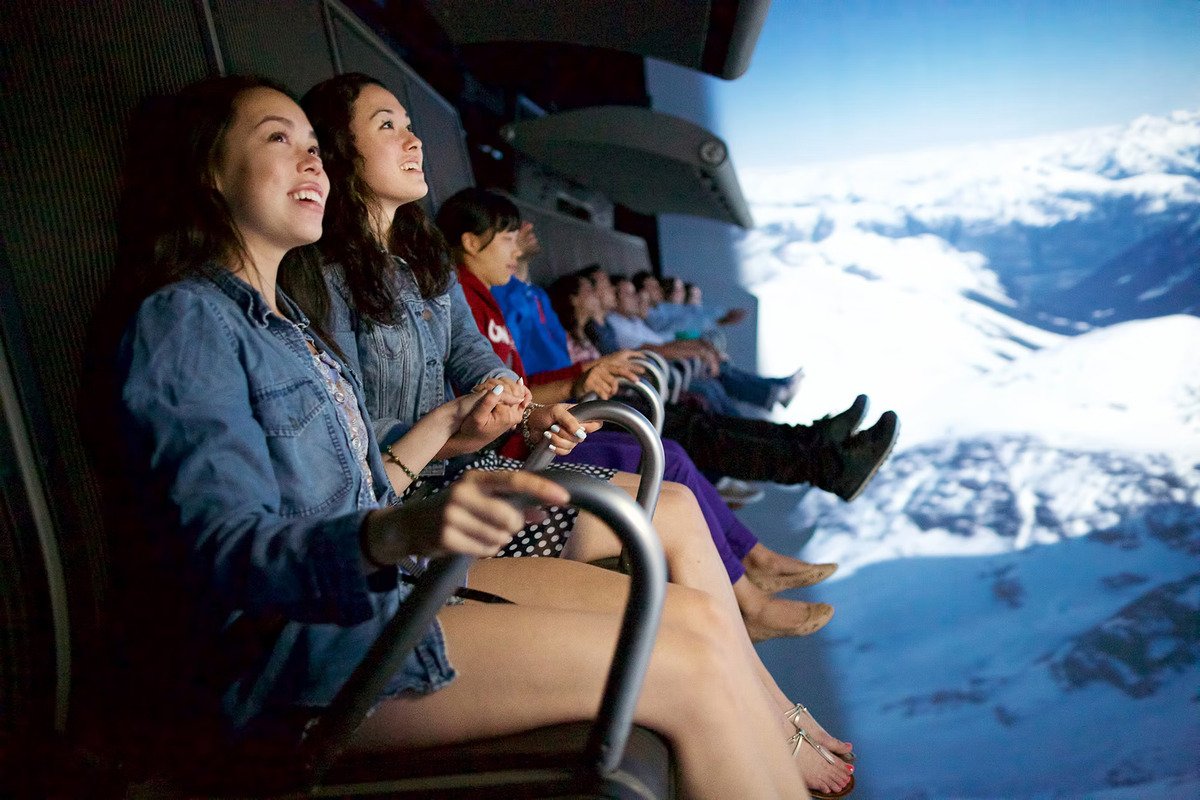
Discover Vancouver’s Best Activities Indoors
When exploring the vibrant offerings of Metro Vancouver, your preferences and interests will guide you toward engaging activities that cater to your liking.
That said, here are some exciting options to consider:
FlyOver Canada
Embark on an immersive film and flight simulation adventure at Canada Place. Experience breathtaking landscapes and thrilling aerial journeys from the comfort of your seat.
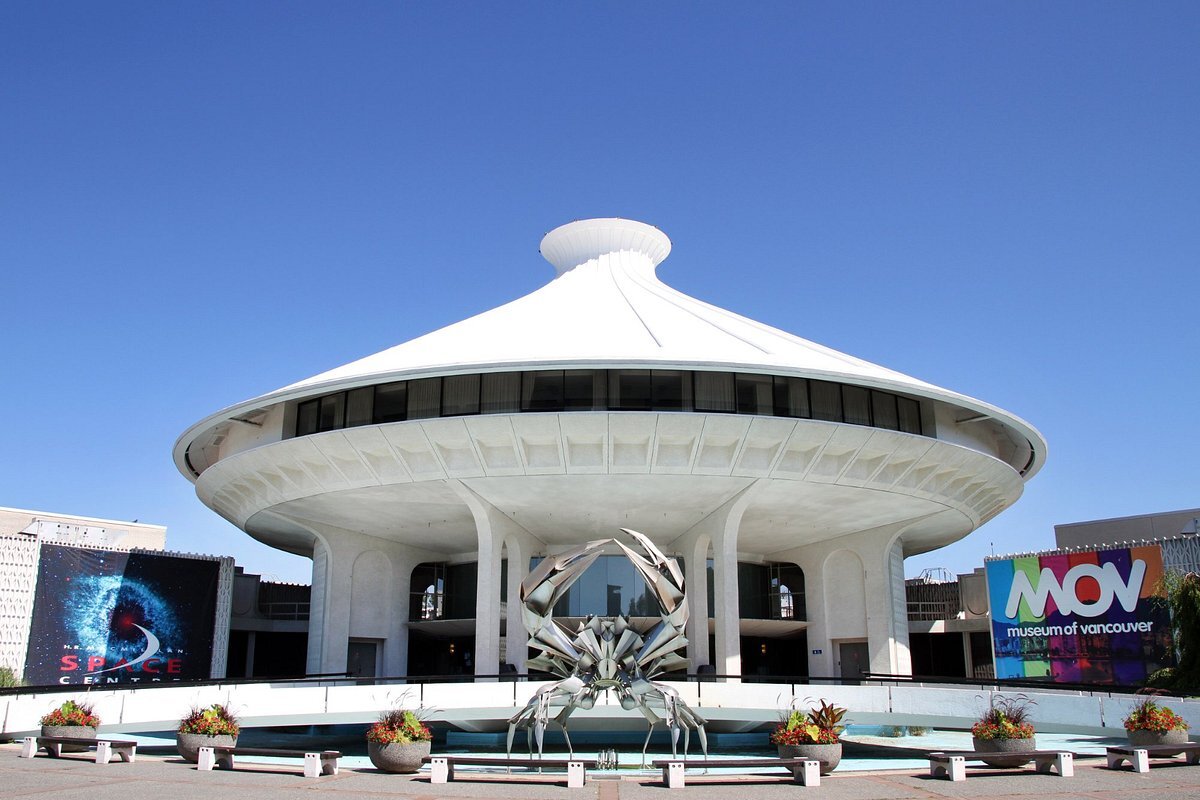
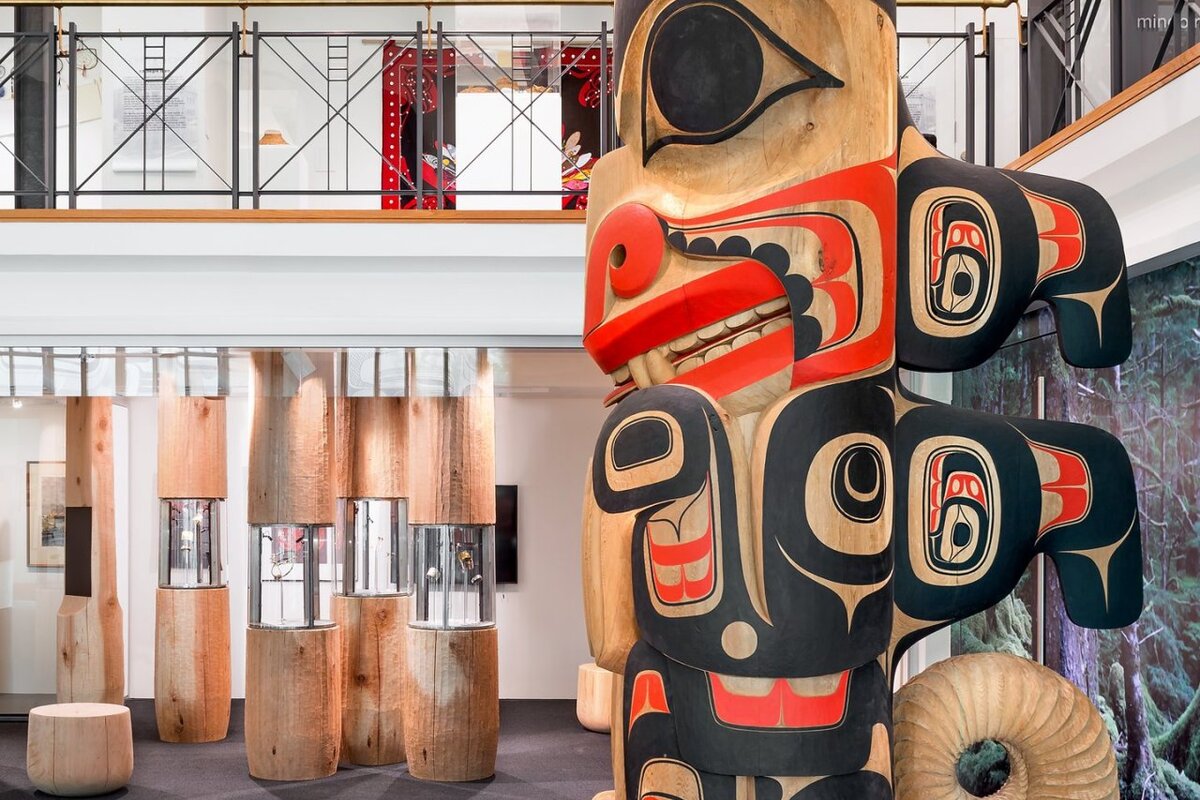
H.R. MacMillan ...
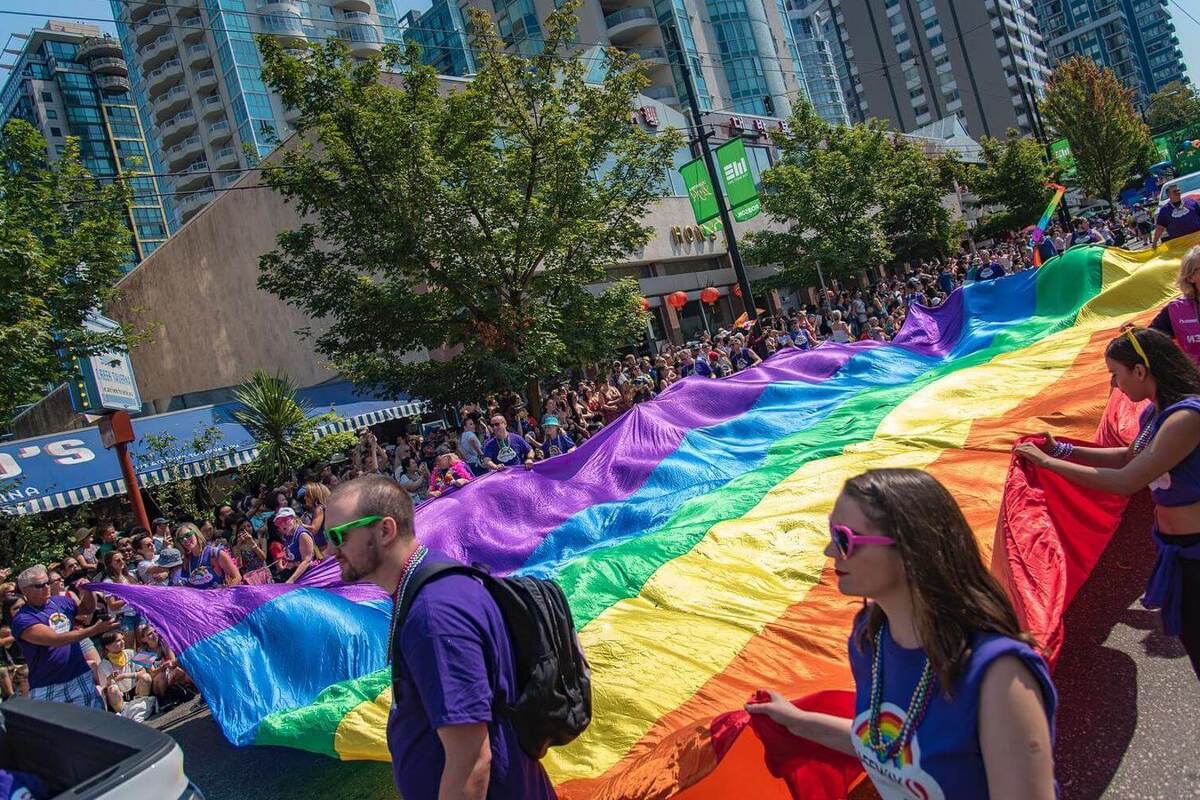
Vancouver’s Exciting BC Day August Long Weekend 2023
The BC Day Long Weekend in August is packed with various events and activities in Vancouver and the Lower Mainland.
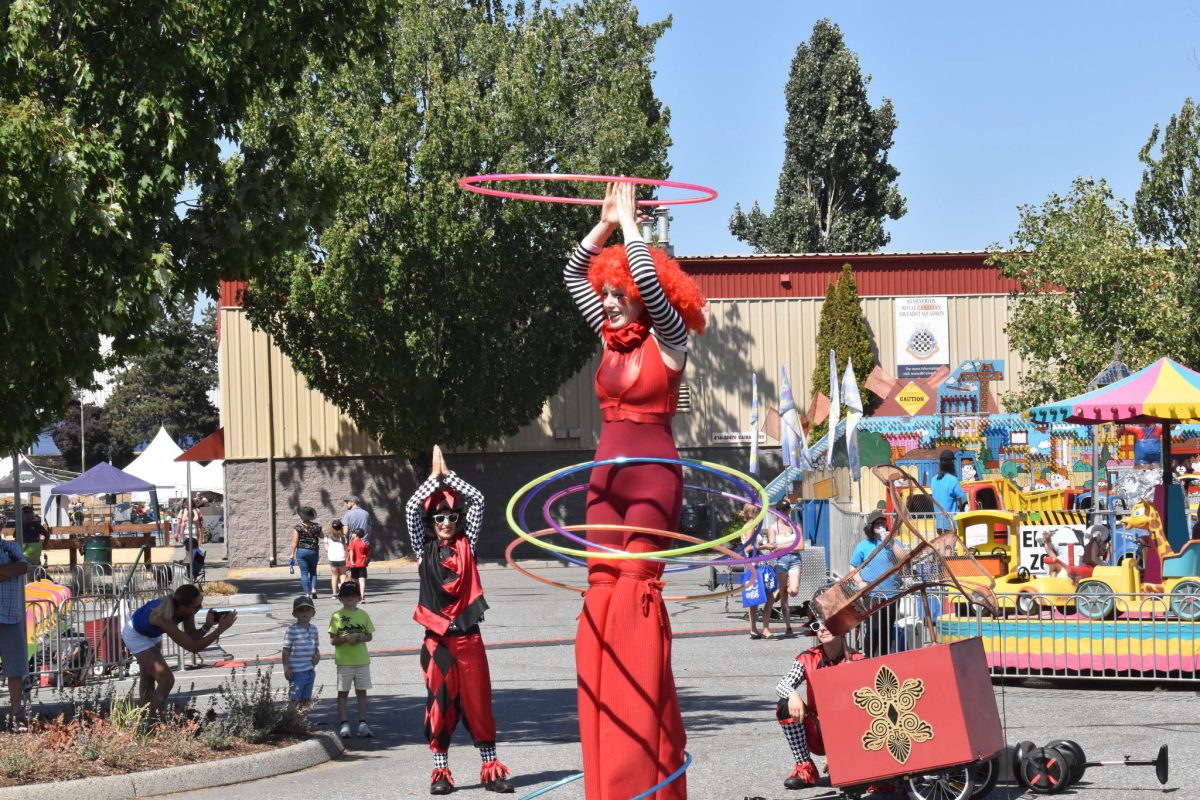
This long weekend is an excellent opportunity to engage in a wide range of events, from historical reenactments and community festivals to live music and entertainment. Whether you’re looking for cultural experiences, outdoor activities, or festive celebrations, there’s something for everyone to enjoy during the BC Day Long Weekend in Vancouver and the surrounding area.
Here’s a ...
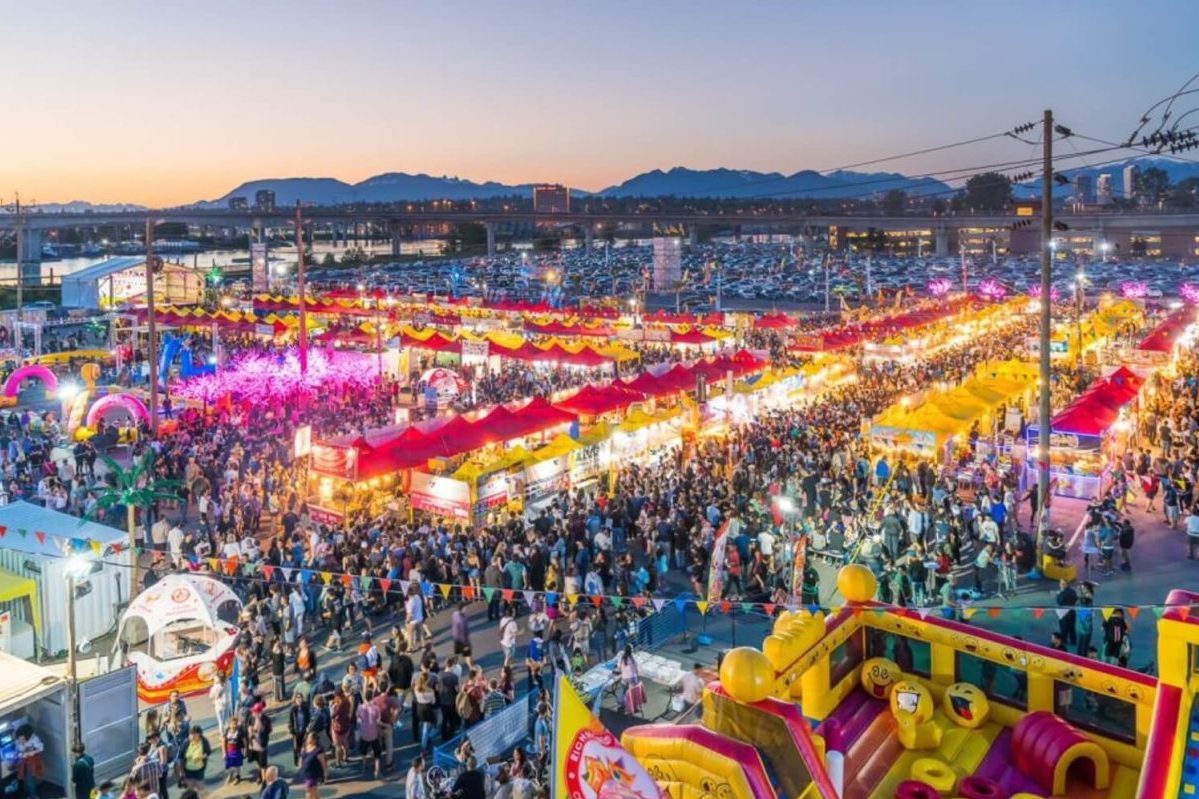
Free Events in Vancouver during August
Throughout the month of August, Metro Vancouver offers a plethora of free events for locals and visitors alike to enjoy. These include festivals, outdoor movies, markets, parades, and outdoor summer concerts, creating a vibrant atmosphere for entertainment and relaxation.
As part of the Art Downtown Summer Program, the Lower Mainland features captivating art displays that allow people to appreciate creativity and culture. Music enthusiasts can revel in the sounds of various free live music events taking place at different venues across the region.
...

Lasting Love: B.C. Man’s Touching Proposal at Van Gogh Art Exhibit
In 2021, Don Iverson’s unexpected proposal to his girlfriend Chandra Pope at the Imagine van Gogh exhibit in Vancouver captured attention when it went viral in a Postmedia story.
This proposal held special significance for the couple due to Iverson’s struggle to express his love during their courtship.
A year before this heartwarming moment, Iverson had been diagnosed with aggressive Stage-IV mantle cell lymphoma, a terminal blood cancer.
Amid the ...