
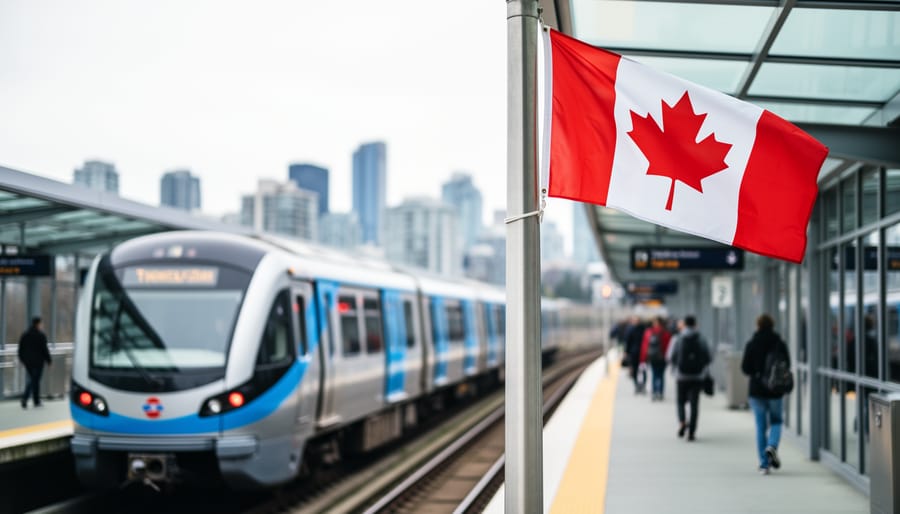
Planning a Canada Day outing in Vancouver? Here’s the straight answer: TransLink does not offer free transit on Canada Day. Unlike some BC communities, Metro Vancouver maintains regular fares on July 1st, so you’ll need your Compass Card or contactless payment ready when hopping on the SkyTrain, bus, or SeaBus to reach fireworks and celebrations.
The free transit question pops up every summer because the policy varies wildly across British Columbia. In 2026, several BC Transit systems are rolling out the red carpet with complimentary rides. Campbell River, Chilliwack, Comox Valley, and Kamloops are all offering free service on regular routes and handyDART, making it easier for residents to enjoy parades and festivals without worrying about fares. Meanwhile, Kelowna is sticking with regular pricing, much like Vancouver.
I learned this the hard way a few years back when I assumed all transit would be free and nearly missed the start of the Granville Island celebrations while scrambling for change. Now I always double-check before any statutory holiday, especially since policies can differ even between the BC Day long weekend and Canada Day.
This guide breaks down exactly how TransLink handles Canada Day service, what you can expect across other BC regions, and the smartest ways to plan your holiday transit so you spend less time at fare gates and more time celebrating.
What Free Canada Day Transit Actually Means in BC
When people ask if public transit is free on Canada Day in BC, the answer isn’t straightforward. There’s no single province-wide policy, it depends entirely on which transit authority serves your community and what that specific operator decides each year.
British Columbia’s public transit landscape splits into two main systems. TransLink operates Metro Vancouver’s buses, SkyTrain, SeaBus, and West Coast Express. BC Transit runs service in approximately 130 smaller communities across the rest of the province, from Campbell River to Kelowna. Each system sets its own holiday policies independently, which is why you’ll find free transit in Kamloops but regular fares in Vancouver on the same Canada Day.
- TransLink
- The independent authority managing all public transit in Metro Vancouver, including buses, SkyTrain, SeaBus, and West Coast Express. It operates separately from BC Transit and sets its own fare and holiday policies.
- BC Transit
- The provincial Crown corporation providing public transit in communities across BC outside Metro Vancouver. Each BC Transit region can implement different Canada Day policies based on local decisions.
- Holiday Service
- Modified transit schedules typically matching Sunday or statutory holiday timetables, which may include reduced frequency and earlier last trips regardless of fare status.
- Fare Waiver Policy
- A temporary suspension of fare collection on specific routes or systems for a defined period, such as Canada Day. Riders board without tapping or paying, though service still operates on holiday schedules.
For 2026, BC Transit is offering free service in select regions on July 1, including Campbell River, Chilliwack, Comox Valley, and Kamloops. These free rides cover both regular routes and handyDART accessible service. However, other BC Transit communities like Kelowna will charge regular fares. TransLink, which serves the Metro Vancouver area most tourists visit, follows its own distinct policy that we’ll cover in detail shortly.
How Canada Day Transit Policies Work Across BC
Unlike a sweeping national law, Canada Day transit policies in BC unfold city by city, decided by the regional transit authority serving each area. There’s no single provincial mandate that says “all transit is free on July 1.” Instead, each authority weighs local budgets, ridership patterns, and community priorities to determine whether they’ll waive fares for the holiday. That’s why you’ll see free rides in Campbell River while Kelowna charges regular fares on the same day.
BC Transit manages systems in smaller cities and towns across the province, operating under partnership agreements with local governments. When a BC Transit region opts for free service, it typically covers all regular fixed routes and handyDART (the door-to-door service for passengers with disabilities). The decision gets announced weeks ahead through their regional service pages, which list exactly what’s included. In Metro Vancouver, TransLink operates independently with its own governance structure and makes separate policy calls for the SkyTrain, bus, SeaBus, and commuter rail network.
Accessing free transit is straightforward in participating regions. On July 1, 2026, riders in places like Chilliwack or Kamloops simply board without tapping a fare card or paying cash, drivers wave you through, and station gates stay open. If you’re used to budgeting for transit during summer festival season, checking your specific region’s Canada Day policy before you head out saves surprises at the fare box. The patchwork approach means your experience depends entirely on where you’re catching the bus.
Transit Authority Types and Their Canada Day Policies
TransLink (Metro Vancouver)
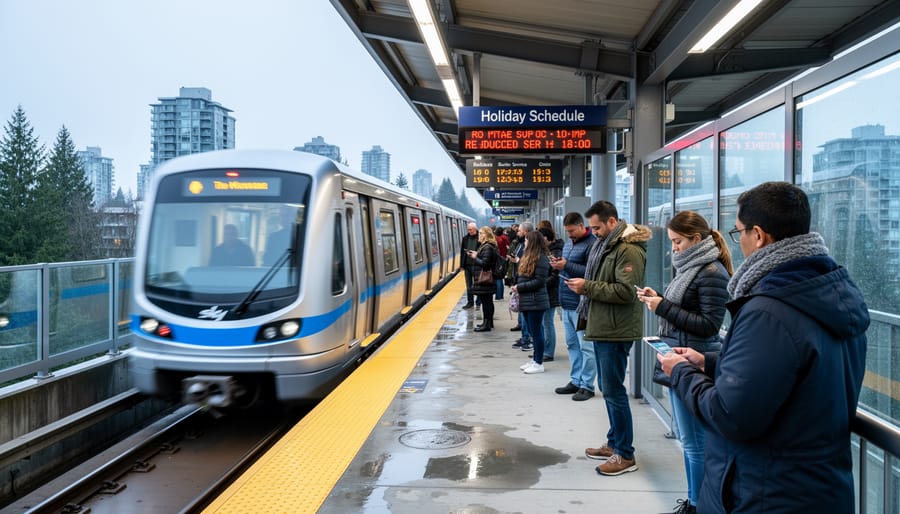
TransLink does not offer free transit on Canada Day. If you’re heading to Canada Place for fireworks or catching a parade downtown on July 1, 2026, you’ll need to tap your Compass Card or pay cash just like any other day. That includes SkyTrain, bus, SeaBus, and West Coast Express, holiday fares will be in effect across the entire Metro Vancouver network.
TransLink typically runs on a Sunday/holiday schedule for Canada Day, which means reduced frequency on many routes and limited West Coast Express service. Check the TransLink Trip Planner or app before you leave, especially if you’re traveling in the evening when buses and trains may be less frequent. I’ve learned the hard way that the last SkyTrain to Surrey leaves earlier than you’d expect on holiday schedules, and missing it after fireworks is no fun.
Load value on your Compass Card ahead of time if you’re planning a full day out. The holiday crowds mean lineups at station machines, and you don’t want to miss your connection because you’re stuck adding fare. Transit will be packed around major event hubs like Waterfront and Stadium-Chinatown stations, so give yourself extra travel time and consider taking an earlier train home to avoid the post-fireworks crush.
BC Transit Regions with Free Service
Several BC Transit regions have confirmed free transit in select regions on July 1, 2026. If you’re traveling outside Metro Vancouver for the holiday, here’s where you can ride without paying a fare.
Campbell River offers free service on all regular routes. Chilliwack provides free transit and handyDART service throughout the day. Comox Valley extends free rides to all routes and handyDART. Kamloops runs free service on all local routes plus handyDART.
In each of these systems, “free” means exactly that: you board without tapping a card or paying cash. Both conventional buses and handyDART paratransit service are included, so the policy extends to riders who depend on accessible transit options. Regular holiday schedules apply, so check departure times before you head out, some routes may run on reduced Sunday frequency even though the fare is waived.
If you’re planning a Canada Day trip to one of these communities, factor in the free transit when budgeting your outing. It’s a genuine perk that makes getting to fireworks, parades, and waterfront festivals more affordable.
BC Transit Regions with Regular Fares
Not every BC Transit region opts into free rides for the holiday. Kelowna stands out as a major example where regular fares remain in effect on July 1, 2026, you’ll pay the standard adult fare whether you’re boarding a local route or planning a longer trip across the Central Okanagan. The same applies in several other smaller communities. BC Transit’s official page confirms that while free transit offered in select regions, the key word is “select.” If you’re celebrating Canada Day outside Metro Vancouver, check your specific transit authority before you leave home.
When and How to Use Transit on Canada Day in Vancouver
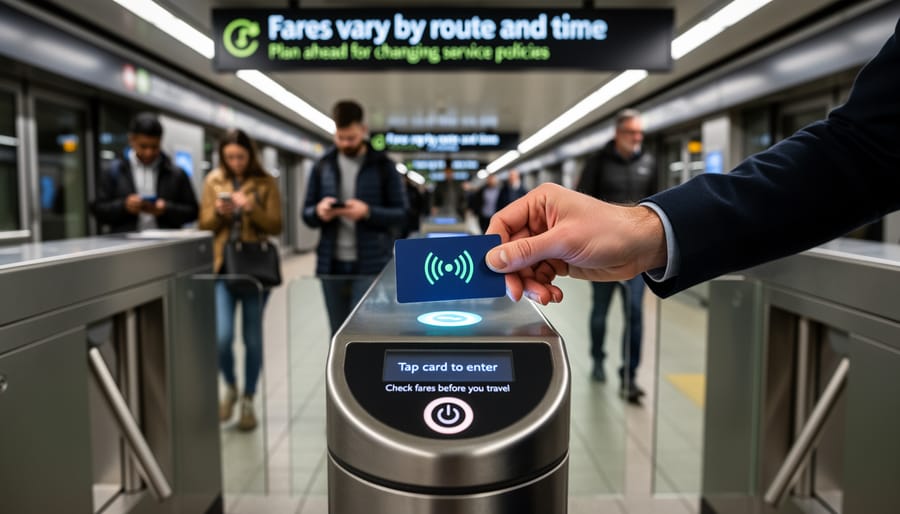
Since you’re paying full fare in Vancouver on July 1, 2026, plan ahead to make the most of TransLink’s holiday service. Load enough stored value on your Compass Card before you head out, the last thing you want is to scramble for a top-up machine at a packed station while fireworks crowds build. I learned this the hard way one Canada Day when I got stuck in a twenty-minute lineup at Waterfront just as the evening rush began.
TransLink typically runs Sunday schedules on statutory holidays, which means slightly reduced frequency compared to weekdays. Check the Vancouver events calendar early to identify your destination, whether it’s Granville Island for daytime festivities, Canada Place for the noon show, or the fireworks viewing spots at English Bay and Second Beach, then map your route a day or two ahead. The SkyTrain runs less often on Sundays, so build in buffer time if you’re catching a specific event start.
Here are a few insider tips for navigating Canada Day transit in Metro Vancouver:
- Carry a loaded Compass Card or ensure your credit card tap works before you board
- Expect Sunday service frequency, with trains and buses running every 10-15 minutes instead of peak schedules
- Popular destinations like Waterfront, Yaletown, Roundhouse, and Broadway, City Hall stations get packed by late afternoon
- Allow an extra 20-30 minutes for your trip, especially if traveling after 6 PM toward fireworks zones
If you’re visiting from out of town, keep in mind that July kicks off a month of celebrations in Vancouver. The free events in August follow quickly on the heels of Canada Day, and BC Day (the first Monday in August) brings another round of holiday transit schedules. For airport arrivals on busy holiday weekends, some travelers find dedicated airport transfers smoother than navigating the Canada Line with luggage amid festival crowds.
The bottom line: budget two to three dollars each way for your Canada Day transit, download the TransLink app for real-time updates, and give yourself wiggle room. The holiday atmosphere is worth it, but unlike visitors to Kamloops or Chilliwack, Vancouver riders pay their way.
What This Means for Your Canada Day Plans

The bottom line for your Canada Day plans: bring your Compass Card or payment method. Unlike tourists heading to smaller BC communities, anyone exploring Vancouver’s waterfront fireworks, Granville Island festivities, or Stanley Park events will pay standard fares throughout the day. TransLink typically runs a Sunday service schedule on statutory holidays, which means less frequent buses and trains than weekdays but still reliable coverage to major event zones.
This policy gap matters when you’re budgeting a family outing or coordinating group transportation. A family of four taking the SkyTrain downtown and back will spend around $25 in fares, whereas the same trip in Kamloops or Chilliwack costs nothing on Canada Day. If you’re visiting from another BC region, don’t assume Vancouver follows the same free-transit model, verify your fare payment options before you board, whether that’s tapping your Compass Card, using contactless credit, or buying tickets at a station.
Common Questions About Canada Day Transit
Is Vancouver’s public transit free on Canada Day 2026?
No, TransLink does not offer free transit on Canada Day. You’ll need to pay regular fares on all services, including SkyTrain, buses, SeaBus, and West Coast Express, just like any other day.
Does TransLink operate on a Sunday schedule for Canada Day?
Yes, TransLink typically runs on a Sunday/holiday schedule for Canada Day, which means reduced frequency on most routes. Check the TransLink website or app before you travel to confirm specific route timings for July 1, 2026.
Do I need a Compass Card to ride transit on Canada Day?
You don’t need a Compass Card, but having one makes boarding faster during busy holiday crowds. You can also pay with contactless credit cards, mobile wallets, or purchase single-use tickets at station fare gates, though card taps are quickest.
Are there extra services running for Canada Day fireworks?
TransLink sometimes adds extra trains and buses after major fireworks displays, particularly on routes serving popular viewing spots like Canada Place and English Bay. Check their service alerts page closer to July 1 for any special service announcements.
How can I check real-time transit schedules on Canada Day?
Use the TransLink Trip Planner app or website for live updates on arrivals, delays, and route changes. The app shows real-time positions of buses and trains, which is especially helpful when service is running on a modified holiday schedule.
Will handyDART service be available on Canada Day in Vancouver?
Yes, handyDART operates on Canada Day but typically runs on a reduced Sunday schedule. Book your trips in advance, as holiday demand can be high and availability may be limited compared to weekdays.
One thing I learned after a confusing Canada Day trip a few years back: download your Compass Card balance or buy a day pass the night before if you’re planning a full day of hopping between festivities. Nothing kills the holiday vibe faster than scrambling to add fare while a packed SkyTrain pulls away from the platform. The machines at busy stations like Waterfront can have long lines during peak celebration hours, so having your payment sorted ahead of time means you spend more time enjoying the fireworks and less time standing in queues.
The key distinction is simple: TransLink, which operates Metro Vancouver’s system, requires regular fares on Canada Day 2026, while select BC Transit regions across the province offer free service on July 1. If you’re planning a holiday outing in Vancouver, budget for transit costs just as you would on any ordinary day, and consider alternatives like carpooling or early arrival to avoid peak crowds at fireworks and festivals.
Before you head out, always verify current schedules and service alerts on TransLink’s website or app, since holiday schedules can shift and routes may fill quickly during major events. The same applies if you’re traveling to other BC regions: check the local transit authority’s website to confirm whether free service is available and what routes are covered.
With a bit of advance planning, you can enjoy Canada Day and the broader BC Day long weekend without transit surprises. Whether you’re catching fireworks over English Bay, exploring Granville Island, or connecting to seasonal festivals around the province, knowing the fare policy ahead of time keeps your holiday smooth and stress-free. Happy Canada Day, and safe travels.