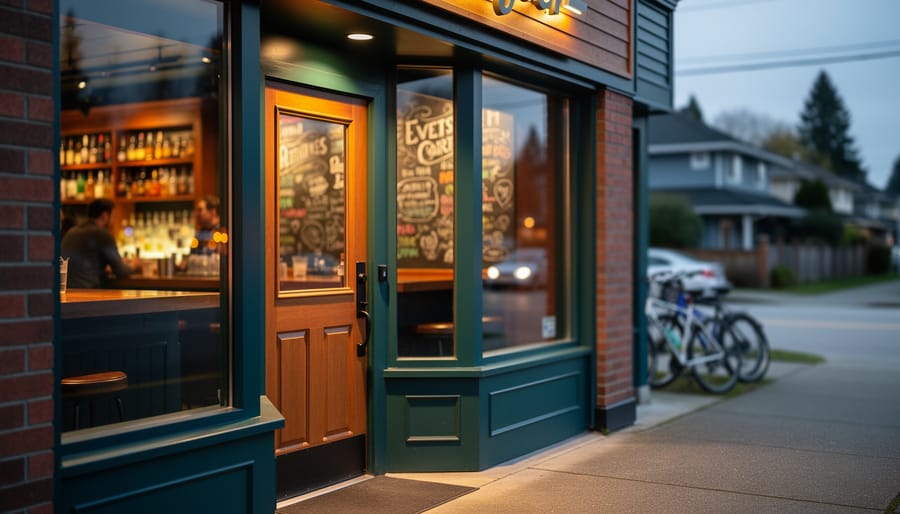
A neighbourhood bar becomes a local institution when it transcends its commercial function to serve as an irreplaceable social anchor in the community, a place where regulars know your name, your drink order lives in collective memory, and the space itself holds years of shared stories, celebrations, and ordinary Tuesday nights that somehow mattered.
This transformation doesn’t happen overnight or by accident. The shift from “a bar down the street” to “our bar” requires a specific alchemy of consistency, authenticity, and genuine relationship-building that can’t be manufactured through marketing campaigns or interior design trends. These are the spots where first dates turn into anniversary dinners twenty years later, where job losses are mourned over whiskey and promotions are toasted with whatever’s on tap, where the bartender notices when you’ve had a rough week before you say a word.
Understanding what creates this institutional status matters whether you’re a visitor trying to experience authentic Metro Vancouver culture beyond the tourist trail or a local wanting to appreciate and support the watering holes that anchor your own neighbourhood. The difference between a business and an institution lies in layers of trust, ritual, and mutual investment between a bar and its community.
In Metro Vancouver, you can feel this distinction the moment you walk through the door. Places like The Cobalt on Main Street or the Princeton Pub near Commercial Drive carry decades of neighborhood memory in their walls. More recent additions prove the timeline can compress when the fundamentals are right. Naami in Gastown, for instance, has quickly woven itself into the fabric of its corner through intentional community connection rather than pure longevity.
What Being a Local Institution Really Means
A neighbourhood bar becomes a local institution when it shifts from being a business that serves the community to becoming part of the community’s identity itself. These aren’t just places where locals happen to drink, they’re woven into the neighbourhood’s story, mentioned in directions (“turn left at the pub”), referenced in conversations, and held in collective memory across multiple generations.
The difference shows up in how people talk about the place. Regular bars get described by their features: good beer selection, nice patio, decent wings. Institutional bars get described through relationships and stories: “where my dad took me for my first legal beer,” “where the neighbourhood organized after the fire,” “where everyone went when the Canucks won.” The bar stops being interchangeable with other bars and becomes irreplaceable in the neighbourhood’s emotional geography.
- Community Anchor
- A business that provides stability and continuity to a neighbourhood, serving as a gathering point during both celebrations and hardships. These spaces become reference points in how residents understand and describe their area.
- Third Place
- The crucial social space between home and work where community relationships form organically. Unlike private homes or workplaces, third places welcome casual, regular interaction without obligation.
- Regulars Culture
- An established pattern where the same faces return consistently, creating informal social networks and a sense of ownership among patrons. True regulars culture means newcomers can become regulars too, not that the door closes to outsiders.
- Neighbourhood Memory Keeper
- A place that holds and preserves community stories, milestone celebrations, and shared experiences. The walls, staff, and even other patrons carry the neighbourhood’s living history.
Trust sits at the core of institutional status. Residents trust the bar to be there next month and next year, to treat them fairly, to provide the same welcome whether they’re celebrating or struggling, and to represent the neighbourhood well to outsiders. This trust gets earned through years of showing up consistently, not through marketing or concept. When a bar achieves true institutional status, losing it would feel like losing part of the neighbourhood itself, not just losing a place to drink.
How a Bar Becomes Part of the Fabric
The Foundation Years
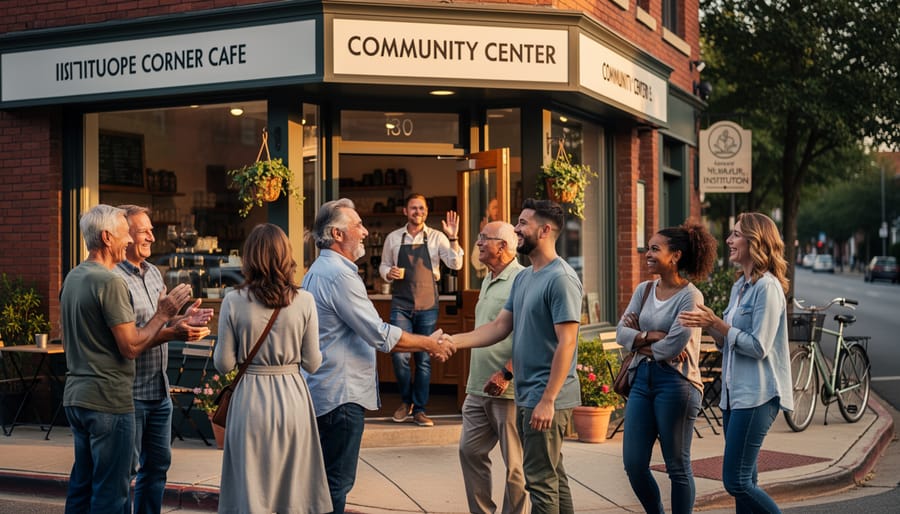
The first few years determine whether a new neighbourhood bar will fade away or start building the foundation for institution status. During this critical period, survival depends on showing up consistently, same hours, same quality, same faces behind the bar. Early regulars begin testing whether the bar means what it signals: if you say you’re open until midnight, are you still serving at 11:45? If the bartender remembers your name once, will they remember it the third time?
These foundation years bring the first tests that reveal character. A burst pipe, a slow winter, a neighbourhood controversy, how ownership responds tells regulars whether this bar will stick around and whether it cares about more than profit. The bars that become institutions use these years to prove reliability while quietly learning the neighbourhood’s rhythms, developing relationships with the dozen people who come in twice a week, and establishing the unspoken rules that will define the space. They resist the temptation to chase trends or reinvent themselves every six months. Consistency builds trust, and trust is the bedrock everything else requires.
Building Collective Memory
Once consistency gives regulars a reason to return, something more powerful starts happening: the bar becomes a container for shared experience. A regular proposes over drinks, and five years later brings their kid in for a burger. A neighbourhood rallies at the bar after a local tragedy. Someone celebrates getting a job, losing a job, buying a house, surviving cancer, all at the same worn corner table.
These moments accumulate into collective memory, the invisible architecture that transforms a business into an institution. Bartenders become keepers of these stories, connecting the regular who lost their father to the one who just did. The walls themselves seem to hold decades of laughter, arguments, celebrations, tears. Walk into an institutional bar and you feel this weight, not oppressive, but grounding.
The bars that achieve institutional status don’t manufacture these moments. They simply provide safe, consistent space for life to happen, then honour what unfolds. A photo wall grows organically. Staff remember anniversaries without being asked. When someone walks in after months away, they’re welcomed back like family because, in the truest sense, that’s what they’ve become.
The Generational Handoff
The true test of institutional status comes when the children of original regulars walk through the door as adults, and feel they belong. This generational welcome doesn’t happen automatically. The bar must honour its history without freezing in time, making space for new faces while protecting what long-timers treasure. Successful handoffs happen when owners resist the urge to chase trends that would alienate the old guard, yet remain genuinely curious about what brings younger neighbours in. The physical space evolves, better lighting, updated washrooms, craft beer beside the domestic staples, but the core feeling stays intact. When three generations can share a table comfortably, when newcomers hear stories about the old days without feeling excluded, when the bar becomes part of multiple cohorts’ personal histories, the institution has achieved sustainability. This continuity requires conscious effort: training new staff in the bar’s values, maintaining rituals that span age groups, and understanding that institutional status means serving the neighbourhood’s future, not just its past.
The Essential Elements of an Institutional Bar
The People Behind the Bar
The bartender who knows your drink before you order it. The owner who remembers your daughter just graduated. The server who’s been there fifteen years and treats regulars like extended family. These aren’t just nice touches, they’re the living connective tissue that transforms a bar into an institution.
Staff longevity matters because institutional knowledge can’t be downloaded. When Sarah’s been behind that bar for a decade, she knows which regular just lost his job and might need a kind word, which corner table is always saved for the Thursday night crew, and how Mrs. Chen likes her Old Fashioned made exactly like her late husband used to order it. That accumulated understanding of people and their stories creates continuity that no training manual can replicate.
Owner visibility proves this isn’t just a business investment, it’s a community commitment. The owners who work shifts, remember birthdays, show up during rough patches, and stay late talking with the last customers are building relationships that outlast any single transaction. Their presence signals permanence.
The Physical Space and Atmosphere
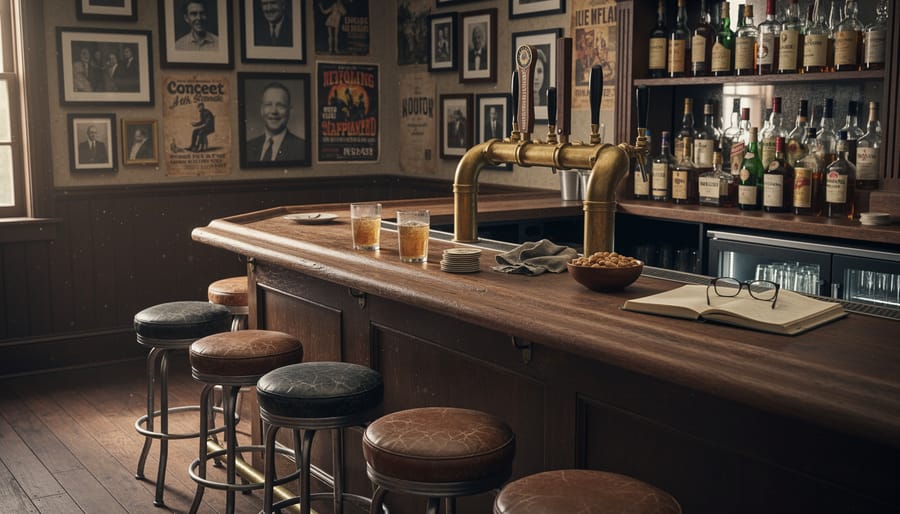
The physical environment of an institutional bar tells you immediately that this isn’t a showroom, it’s a living room that happens to serve drinks. The layout naturally pulls people together rather than isolating them: bar seating that curves to encourage side conversations, tables positioned close enough that neighbouring groups might exchange comments about the game, sightlines that let the bartender read the room. Comfort trumps Instagram appeal. The chairs have give, the lighting flatters without trying, the acoustics let you hear your friend without shouting.
Walk into any true neighbourhood institution and you’ll see layers of Vancouver history accumulated on the walls, faded newspaper clippings about the block’s past, photos of regulars from three decades back, jerseys from long-disbanded softball teams. This isn’t curated vintage decor purchased wholesale; it’s organic archaeology. The brass rail shows where thousands of elbows have rested. The booth vinyl has honest wear from actual use, not distressing applied in a factory. These marks aren’t flaws to hide, they’re proof the space has earned its place in the neighbourhood’s story.
Consistency Without Stagnation
The bars that last decades master a delicate balance: they evolve just enough to stay relevant without erasing what made them special in the first place. You’ll notice institutional bars update their draft lists to include local craft options alongside the standard domestics, not because it’s trendy but because their regulars asked for them. They might refinish the bar top when it becomes genuinely unsafe, keeping the original wood rather than replacing it with something modern. During the pandemic, the best ones launched takeout cocktails and patio expansions while maintaining their core identity, they adapted the delivery method, not who they were.
The menu grows to reflect neighbourhood changes, more vegetarian options when the area shifts younger, brunch service when families move in, but the signature burger or fish and chips stays exactly the same. Decor updates happen slowly: new photos join old ones on the walls rather than replacing them, creating layers of history instead of erasing it. These bars sponsor community events that matter to their regulars, not whatever generates the most Instagram content. They know the difference between staying current and chasing trends, between necessary evolution and identity crisis.
What These Bars Do for Their Communities
The Third Place Function
A neighbourhood bar becomes an institution partly because it fills what sociologists call the “third place”, that essential spot that’s neither home nor work where informal community life actually happens. You need somewhere to run into neighbours by chance, catch up with friends without scheduling weeks ahead, or simply exist in public without an agenda.
These bars create the conditions for accidental connection. The regular who sits at the corner stool introduces the newcomer looking lost. The bartender passes along information about the street closure, the rental opening upstairs, the plumber who shows up. Conversations drift across tables in ways they never would in a coffee shop where everyone’s hunched over laptops.
During hard times, this function becomes visible. When someone loses their job, the community rallies over pints. When a regular disappears for a few weeks, people notice and check in. The bar becomes informal social infrastructure, not replacing professional support, but providing the web of casual care that helps people get through rough patches. That’s not something a business can manufacture. It emerges slowly when a space consistently welcomes people without judgment and gives them room to simply be neighbours.
Preserving Neighbourhood Character
When developers roll in and rents spike, institutional neighbourhood bars become something rare: holdouts that refuse to sanitize the past. They’re physical proof that a neighbourhood once was, and still is, something beyond its newest condo tower. Walk into The Cobalt on Main Street or The Princeton on Powell, and you’re stepping into rooms that carry decades of stories the glass-walled gastropub down the block will never hold.
These bars don’t just occupy space, they actively discover local culture by preserving it. The walls display old show posters, neighbourhood photos from the 70s, and memorabilia that traces how the area evolved. Bartenders share stories about legendary regulars, past owners, and the night something unforgettable happened. This oral history matters because it connects new arrivals to the neighbourhood’s roots without making them feel like intruders.
The best institutional bars welcome fresh faces while making long-timers feel seen. The retired longshoreman and the graphic designer who moved in last month both find their spot at the bar, creating the messy, authentic mix that defines real community rather than a curated version of it.
Economic and Cultural Stability
Institutional neighbourhood bars function as economic stabilizers in their communities through sustained local spending, buying produce from neighbourhood suppliers, hiring staff who live nearby, keeping lease payments and tax revenue grounded in the area year after year. When commercial strips face storefront turnover, these anchors remain, their reliability attracting other businesses and maintaining foot traffic that benefits surrounding shops. They become cultural markers too, the places locals recommend to visitors seeking authentic neighbourhood character rather than tourist districts. A Commercial Drive institution might stock BC craft breweries exclusively and employ bartenders who’ve lived in the area for decades, while a Mount Pleasant bar’s walls might document neighbourhood transformation and First Nations history through curated art and photography. This dual role, economic engine and cultural repository, makes them irreplaceable when lost, their absence felt in both neighbourhood identity and commercial viability.
Metro Vancouver’s Neighbourhood Bar Institutions
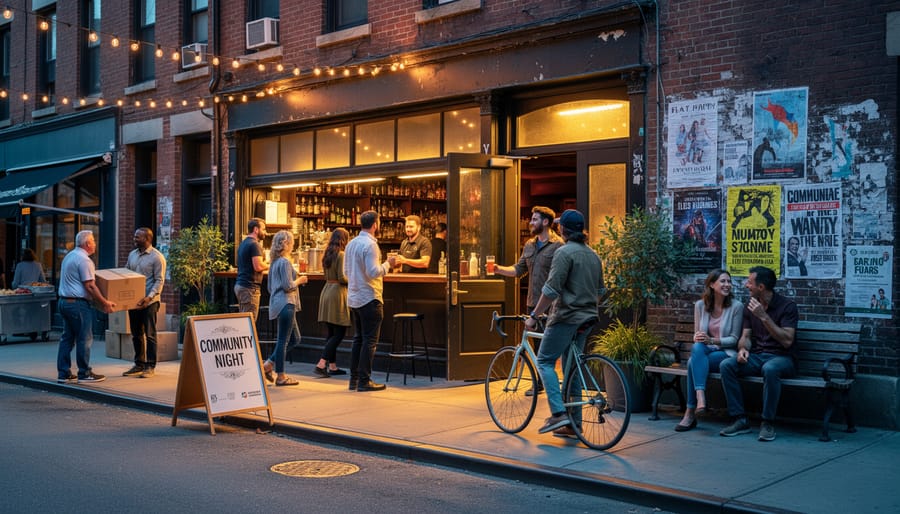
Stepping into The Keefer Bar in Chinatown means entering a space where bartenders still mix drinks according to recipes developed fifteen years ago, where regulars occupy the same corners they claimed when the doors first opened in 2010, and where staff remember not just your name but your usual order and how your last project turned out. Owner Daniel Schung built institutional status by showing up every night for years, learning the neighbourhood’s rhythms, and creating a space that felt like a living room with exceptional cocktails rather than a showcase for mixology ego.
Across town in Kitsilano, The Fringe Café has anchored the corner of West Broadway and Bayswater since 1990, long enough that parents who drank there as students now bring their adult children. The secret wasn’t innovation but radical consistency: the same booths, the same generous pours, the same willingness to let conversations unfold over hours without pressure to turn tables. Staff tenure averages eight years, which means the collective memory runs deep.
In Mount Pleasant, The Charlatan operates in a century-old building that feels genuinely lived-in because it is. Since opening in 2010, owners invested in relationships before renovations, hosting free local events that drew neighbours in for reasons beyond drinking. The back patio functions as the neighbourhood’s unofficial summer gathering spot, where introductions happen organically and new residents get welcomed into the community fabric.
Commercial Drive’s St. Augustine’s achieved institutional status in roughly a decade by committing to Belgian beer education without pretension, supporting local charities, and creating a space where service-industry workers felt genuinely at home during off-hours. The staff knows which regulars to leave alone with their newspapers and which appreciate conversation.
To experience these bars authentically, visit midweek rather than weekends, sit at the bar instead of a table, and understand that you’re entering someone else’s living room, observe the unwritten rules, respect the regulars’ space, and give the place time to reveal itself. Institutional status isn’t performed for visitors; it exists whether you notice or not.
Common Questions About Neighbourhood Bar Institutions
How long does it take for a neighbourhood bar to become a local institution?
There’s no magic number, but most institutional bars earned their status over 10-20 years minimum, enough time for regulars to bring their kids, for the space to witness life milestones, and for the bar to prove it’ll stick around through economic ups and downs. The first five years establish consistency; the second decade builds the irreplaceable memories that cement institutional status.
Can a neighbourhood bar survive an ownership change and keep its institutional status?
Yes, but it’s precarious. Successful transitions happen when new owners deeply respect what made the bar special, keeping longtime staff, maintaining the core menu and atmosphere, and earning trust from regulars before making changes. Rush the renovation or fire beloved bartenders, and you’ll kill the institution even if the building survives.
Can chain bars or corporate-owned places ever become neighbourhood institutions?
Rarely, because institutional status requires the freedom to prioritize community over profit margins and the stability that comes from local decision-making. Corporate policies, mandated menus, rotating managers, standardized decor, work against the authenticity and long-term relationships that define these spaces.
What are the signs you’ve walked into a real neighbourhood bar institution?
Look for photos on the walls spanning decades, staff who greet regulars by name, a crowd that spans ages and backgrounds, and a comfortable shabbiness that says “we invest in people, not constant renovations.” You’ll feel it too, a certain ease in the room, like everyone belongs and newcomers are welcomed rather than scrutinized.
These questions come up constantly because the transformation from ordinary bar to beloved institution feels mysterious from the outside. What looks effortless, the easy banter, the sense of home, actually represents years of intentional choices and genuine care. New bars opening in 2026 absolutely can still achieve this status, but they need to commit to the long game. That means resisting the pressure to constantly reinvent yourself for Instagram, staying open when business is slow, and recognizing that some regular who nurses two beers all evening might matter more to your future than a bachelorette party dropping serious cash once. The path hasn’t changed: show up, stay consistent, care about your neighbourhood, and give it time. A decade from now, you might find you’ve built something irreplaceable.
The transformation from neighbourhood bar to local institution isn’t something you can force or fake. It requires years of showing up consistently, genuinely caring about the people who walk through your doors, and investing in community beyond the bottom line. The bars that achieve this status understand they’re not just selling drinks, they’re holding space for their neighbourhood’s stories, celebrations, and connections.
Time matters because trust can’t be rushed. Consistency matters because people need to know you’ll be there when they need you. But what matters most is the mutual care that develops between a bar and its neighbourhood. The bar takes care of its community by remembering names, supporting local causes, and creating welcoming space. The community takes care of the bar by choosing it first, defending it when times get tough, and bringing each new generation through the door.
These institutions matter more now than ever. As cities grow and change rapidly, as digital interactions replace face-to-face connections, and as commercial spaces become increasingly corporate and interchangeable, neighbourhood bars that have earned institutional status serve as anchors. They preserve neighbourhood character, provide genuine third places for community, and prove that local businesses built on relationships can still thrive.
Supporting these bars is straightforward: go regularly, bring friends who don’t know the place yet, buy something when you’re there, and participate in what makes them special. These institutions need your presence, not just your business.