Vancouver’s festival and event calendar is heating up this August with two major confirmed highlights: the Thai Festival returns to the Vancouver Art Gallery North Plaza August 8-9, 2026, while Port Moody’s Art Out Side Festival transforms the city into an outdoor gallery August 7-16. Both events offer free admission, making them perfect options whether you’re visiting for the weekend or looking for something fresh to do with friends and family.
I’ve been tracking what’s new on the city’s events scene, and the timing couldn’t be better for planning your next few weeks. The Thai Festival brings its signature blend of authentic cuisine, cultural performances, and this year a grand prize raffle for a round-trip ticket to Bangkok (worth $2,500, open to registered attendees 18+). Meanwhile, Art Out Side spreads across Port Moody’s public spaces, giving you nearly two weeks to explore installations at your own pace.
For the latest developments affecting events citywide, check our current events update. The key thing to know right now: these verified dates give you concrete plans to build around, but the broader event landscape continues evolving weekly, so confirming details directly with organizers before you go remains your best strategy for avoiding last-minute changes.
What Changed in Vancouver’s Event Landscape
Vancouver’s event scene is shifting toward accessibility and geographic diversity in 2026. Two major developments signal this change: the Thai Festival Vancouver’s return to the Vancouver Art Gallery North Plaza on August 8-9 with free admission, and the Art Out Side Festival’s expansion across Port Moody from August 7-16. Both celebrate specific cultural communities while opening their doors to anyone curious enough to show up.
What’s notable isn’t just the addition of new festivals but the deliberate design choices behind them. The Thai Festival’s decision to waive entry fees removes a barrier that kept some families away from cultural events, while the Bangkok raffle (a $2,500 round-trip ticket for registered attendees 18+) adds an incentive without requiring a purchase. Meanwhile, the Art Out Side Festival’s choice to spread throughout Port Moody rather than concentrate in a single venue makes art more discoverable for locals who might not seek it out at a traditional gallery.
These aren’t isolated experiments. They reflect a broader recognition that Metro Vancouver’s cultural calendar needs to serve both the tourist checking off bucket-list attractions and the resident looking for something fresh within transit distance. The old model of charging admission for everything and clustering events in predictable downtown spots is giving way to programming that meets people where they are, literally and financially.
Key Festival Developments to Know About
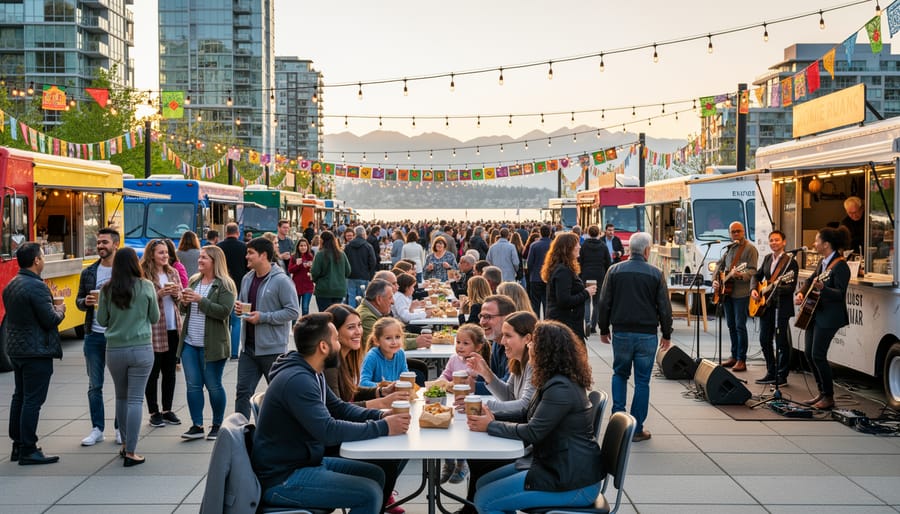
1. Thai Festival Vancouver Returns to the VAG North Plaza
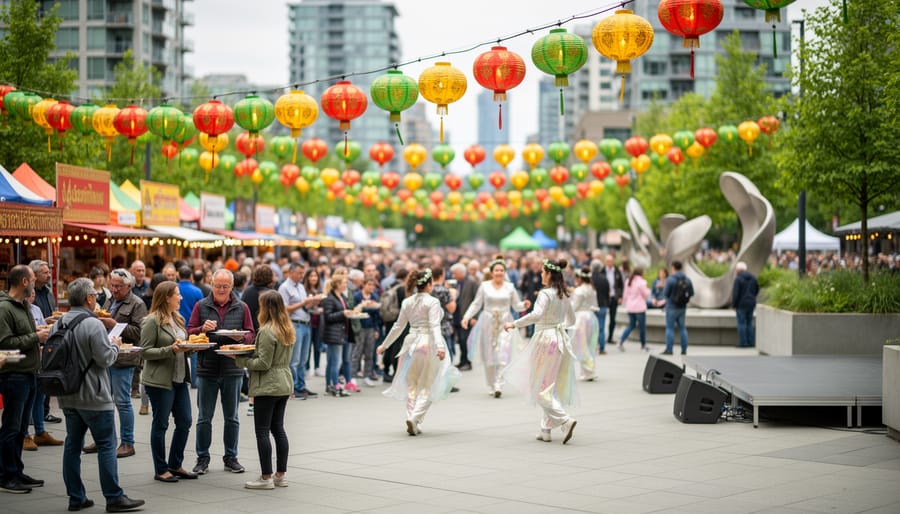
The Thai Festival Vancouver marks its return to the Vancouver Art Gallery North Plaza this August with two days of free cultural programming that brings a taste of Thailand to downtown Vancouver. Running August 8-9, 2026 at 750 Hornby Street, this celebration offers both tourists and locals an accessible entry point into Thai traditions without the admission barrier that many urban festivals now carry.
What sets this year’s festival apart is the grand prize raffle, a round-trip ticket to Bangkok valued at $2,500, available exclusively to registered attendees 18 and older. The raffle adds an element of anticipation beyond the usual festival experience, though the real draw remains the cultural immersion itself: traditional performances, authentic Thai cuisine from multiple vendors, artisan demonstrations, and interactive activities that explain the significance behind Thai customs and celebrations.
The VAG North Plaza location anchors the festival in Vancouver’s cultural core, making it easy to combine with other downtown attractions. You can walk from Canada Place in 15 minutes, hop off the SkyTrain at Vancouver City Centre station two blocks away, or bike along the Hornby Street protected lane that ends right at the plaza. The central positioning matters for spontaneous visitors, this isn’t a festival that requires dedicated travel planning or parking strategies.
Free admission reflects a broader shift in Vancouver’s event landscape toward community accessibility, a theme that appears across multiple 2026 festivals and signals the city’s recognition that cultural programming serves residents and visitors alike when barriers come down.
2. Art Out Side Festival Expands Throughout Port Moody
Art Out Side Festival spreads across Port Moody from August 7 to 16, 2026, transforming this waterfront city into a distributed gallery where public spaces become exhibition grounds. Unlike concentrated downtown festivals, this ten-day event uses Port Moody’s entire geography, parks, plazas, trails, and street corners, to showcase visual arts, live performances, and interactive installations. You’ll encounter sculptures along the shoreline, murals on building facades, and performance art in unexpected locations as you move through the city.
This geographic expansion matters for Metro Vancouver’s cultural ecosystem. It shifts artistic programming beyond Vancouver’s core, making festival experiences accessible to Tri-Cities residents without a downtown commute while drawing Vancouver visitors eastward to discover Port Moody’s breweries, waterfront trails, and residential character. The multi-day format lets you experience the festival incrementally, catching different installations on separate visits rather than cramming everything into a single afternoon.
To experience Art Out Side effectively, plan to explore on foot or bike. The distributed format rewards wandering, and Port Moody’s compact size makes venue-hopping manageable without a car.
3. Event Accessibility and Community Programming Evolution
The shift toward free admission represents more than budget-friendly programming, it’s reshaping how Metro Vancouver communities engage with cultural celebrations. Both Thai Festival Vancouver and Art Out Side Festival eliminate ticket barriers, creating open invitations that extend beyond traditional tourism corridors into residential neighbourhoods like Port Moody. This geographic spread matters: events are no longer concentrated downtown, meaning you’ll find authentic cultural experiences throughout the metro area without the crowds or parking headaches of central Vancouver.
For tourists, this evolution offers budget flexibility. Instead of allocating $50-75 per person for ticketed festivals, you can redirect those dollars toward local vendors, artisan booths, or extra days exploring other attractions. The free-admission model also encourages spontaneity, stumble upon an event while touring Port Moody’s breweries, or add the Thai Festival to your Saturday itinerary without advance ticket purchases.
Locals benefit differently: these accessible events turn neighbourhood spaces into cultural hubs, reducing the need to trek downtown for every major celebration. The Port Moody expansion, in particular, signals suburban communities are claiming their own festival calendars rather than defaulting to Vancouver’s core. Watch for this pattern to continue, when events succeed in secondary markets, organizers take notice and programming diversifies further.
Why It Matters for Visitors and Locals
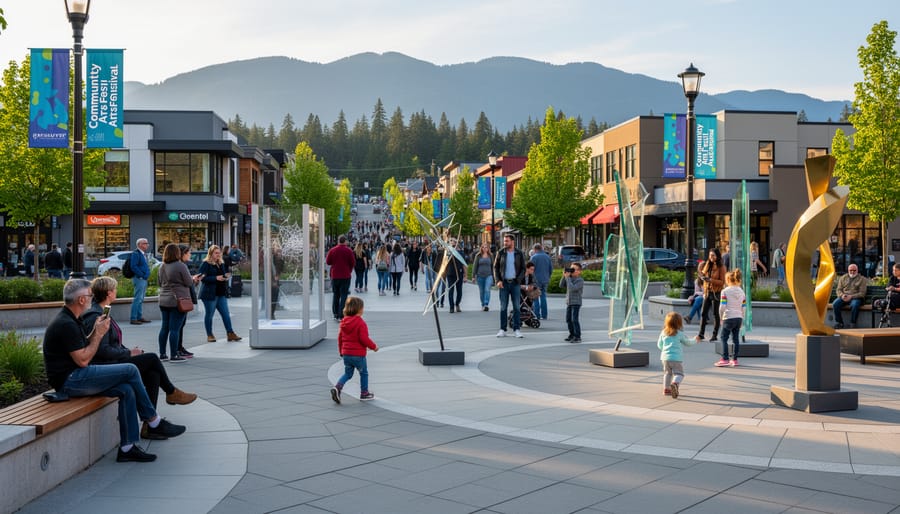
These changes reshape how both visitors and locals experience Vancouver’s cultural calendar. The shift toward free-admission festivals like the Thai Festival Vancouver and the geographic spread to Port Moody means you’re no longer tied to a downtown-only itinerary or forced to choose events based purely on ticket costs. That opens the city to more spontaneous exploration and genuine cultural immersion rather than treating festivals as budget line items.
For tourists planning a 2026 visit, this evolution offers tangible advantages:
- Budget flexibility: Free festivals stretch travel dollars for accommodation, dining, and transportation instead
- Authentic cultural access: Events like the Thai Festival Vancouver reflect Metro Vancouver’s diverse communities rather than manufactured tourist experiences
- Regional variety: Festivals in Port Moody and beyond encourage discovering neighbourhoods most visitors skip
- Calendar confidence: August 7-16 gives you a concrete window for arts and cultural programming across multiple venues
Locals gain something equally valuable, a festival scene that reflects the city’s actual makeup. The emphasis on community programming and accessible entry points strengthens Vancouver cultural identity by inviting broader participation rather than creating paywalled cultural silos. You’re more likely to attend an Art Out Side Festival event on a whim when it’s spread throughout your neighbourhood instead of concentrated in a single venue with admission fees.
This trend also positions Vancouver as a year-round destination with evolving programming rather than a summer-only festival city. The willingness to experiment with formats and locations signals a cultural sector responsive to how people actually want to engage with events in 2026, casually, accessibly, and across the entire metro region.
What to Watch Next in Vancouver’s Event Calendar
Vancouver’s event landscape shifts constantly, so staying current requires a mix of official channels and local knowledge. The Metro Vancouver tourism board and individual city websites post festival calendars months ahead, but last-minute additions and weather-related changes are common in the Pacific Northwest. Sign up for email alerts from Tourism Vancouver and follow the social media accounts of recurring festivals you’re interested in, many announce lineup details, pop-up events, and flash sales exclusively through Instagram and Facebook.
Pay attention to seasonal patterns. Summer festivals cluster from June through September, with outdoor concerts and cultural celebrations peaking in July and August. Fall brings craft fairs and harvest events, while December fills with holiday markets across Vancouver, Burnaby, and New Westminster. Winter months see fewer outdoor gatherings but offer indoor theatre productions and seasonal food festivals. Spring shoulder season (March through May) often features emerging arts showcases and community fundraisers that fly under the radar.
For real-time updates, check venue websites directly rather than relying solely on aggregator sites. The Vancouver Art Gallery, PNE grounds, and individual city parks departments announce programming changes first. Local newspapers like the Vancouver Sun and Georgia Straight publish weekly event roundups, and community bulletin boards in coffee shops still carry flyers for grassroots festivals that don’t advertise widely. If you’re flexible with timing, this approach uncovers hidden gems and lets you adapt when weather or scheduling conflicts inevitably reshape the calendar.
Planning Your Vancouver Event Experience
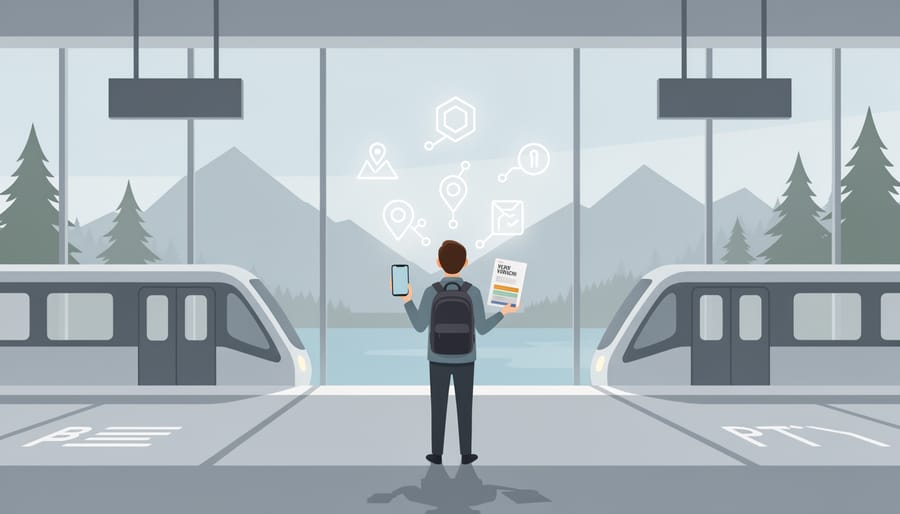
Getting to Vancouver’s events is straightforward once you know the transit quirks. Downtown festivals like the Thai Festival Vancouver at 750 Hornby Street sit within walking distance of most hotels, but reaching Port Moody for Art Out Side means budgeting 45 to 60 minutes on the West Coast Express or SkyTrain plus bus. I always check TransLink’s real-time updates before heading out, construction and special event shuttles can shift your route faster than you’d expect.
Budget-smart visitors layer free festivals with paid attractions. Since both the Thai Festival and Art Out Side offer free admission, you can bank those savings for a splurge meal in Gastown or tickets to Capilano Suspension Bridge. Combine a morning at an outdoor playground like Stanley Park with an afternoon festival stop, you’ll cover Vancouver’s cultural and natural sides in a single day without doubling transit costs.
How far in advance should I plan for Vancouver events?
Book accommodation two to three months ahead for major festivals, but event tickets or registration often open just weeks before. Most free festivals don’t require advance signup unless they offer extras like the Thai Festival’s Bangkok raffle.
Are most Vancouver festivals free?
Many neighbourhood and cultural festivals offer free admission, though some charge for premium seating, food tokens, or special activities. Check individual event pages as pricing varies widely.
How do I get from downtown to Port Moody?
Take the Millennium Line SkyTrain to Lougheed Town Centre, then transfer to bus 97 B-Line, or catch the West Coast Express commuter train during weekday hours. Total travel time runs 45 to 60 minutes.
What’s the best way to find last-minute event updates?
Follow festival organizers on Instagram and check their official websites the morning of your visit, Vancouver’s weather can trigger schedule shifts or venue changes with minimal notice.
Pair events with nearby attractions to stretch your day. After Art Out Side wraps in Port Moody, the parks near Vancouver like Belcarra Regional Park sit 15 minutes away for a sunset hike. Keep a rain jacket in your bag year-round, Pacific Northwest weather doesn’t pause for festivals, and being prepared means you won’t miss a performance when clouds roll in.
Vancouver’s event calendar in 2026 proves the city hasn’t lost its creative pulse. The Thai Festival’s return to the VAG plaza and Art Out Side’s expansion through Port Moody show organizers adapting to what locals and visitors actually want: accessible cultural experiences that don’t require advanced planning or deep pockets.
Whether you’re visiting for a weekend or you’ve lived here for years, the current landscape rewards spontaneity. Free-admission festivals scattered across Metro Vancouver mean you can build your own event itinerary without the pressure of pre-purchased tickets. Just keep one insider tip in mind: Pacific Northwest weather doesn’t care about event schedules. Check conditions the morning of any outdoor festival, bring layers even in August, and have a backup indoor attraction ready. Vancouver’s cultural scene thrives precisely because it rolls with the punches, and your event experience will be richer if you do the same.