Two major developments are shaping travel and transportation around Vancouver right now: ongoing BC Ferries cancellations triggered by mechanical issues and rough weather, and a significant infrastructure announcement scheduled for early April that could ease long-term congestion near Oak Park. If you’re planning a trip to the islands or exploring parks near Vancouver this season, these updates will directly impact your routes and timing.
The ferry disruptions have already derailed Easter weekend plans for thousands of travelers, and the ripple effects continue as BC Ferries works to stabilize service. Meanwhile, federal and municipal officials are set to unveil infrastructure improvements at the south end of Oak Park on April 7, a project that could reshape commuter patterns in South Vancouver. Both situations require your attention whether you’re a visitor mapping out island day trips or a local navigating the city’s evolving transit landscape.
What sets this moment apart is the intersection of immediate travel headaches and forward-looking infrastructure solutions. You need to know how to adjust ferry bookings in the short term while also understanding which neighbourhoods and routes might see relief down the line. The announcements coming this spring, plus the ongoing ferry schedule volatility, will determine how smoothly you can move between Vancouver and the Gulf Islands, Victoria, and points beyond.
What Changed: Recent Developments Affecting Vancouver Travel and Access
Two significant developments are reshaping how both visitors and locals navigate Metro Vancouver right now. BC Ferries continues to grapple with service disruptions stemming from mechanical issues and weather-related cancellations, creating headaches for anyone planning coastal excursions or island getaways. Meanwhile, major infrastructure investments and large-scale events like the AC/DC concert at BC Place in August are transforming the city’s transportation landscape and accessibility.
These changes affect different groups in distinct ways. Ferry disruptions hit hardest for tourists with tight itineraries and locals commuting between the mainland and islands. Infrastructure announcements, like the April 7 event at Oak Park with officials Jill McKnight and Sarah Kirby-Yung, signal long-term improvements but may bring short-term construction impacts. Stadium events draw crowds that strain downtown transit and parking, requiring advance planning for anyone visiting the area during concert dates.
1. BC Ferries Service Disruptions Continue to Frustrate Travellers
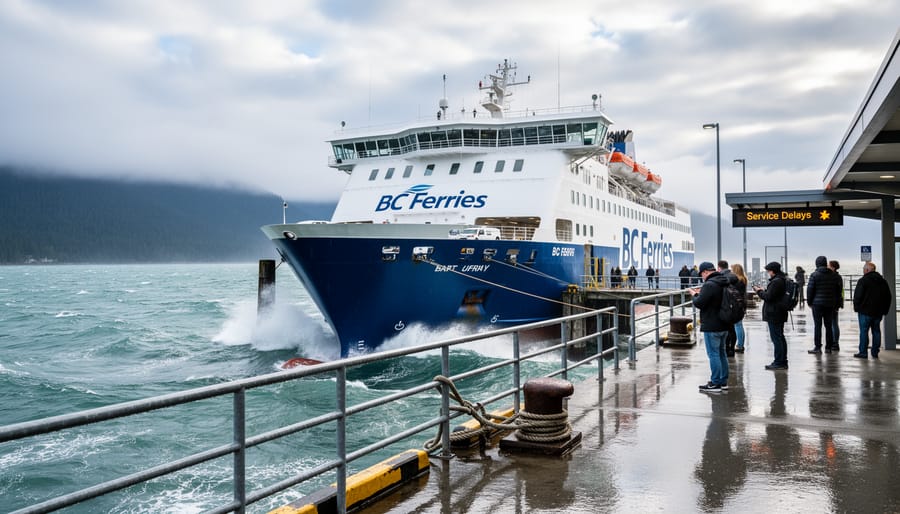
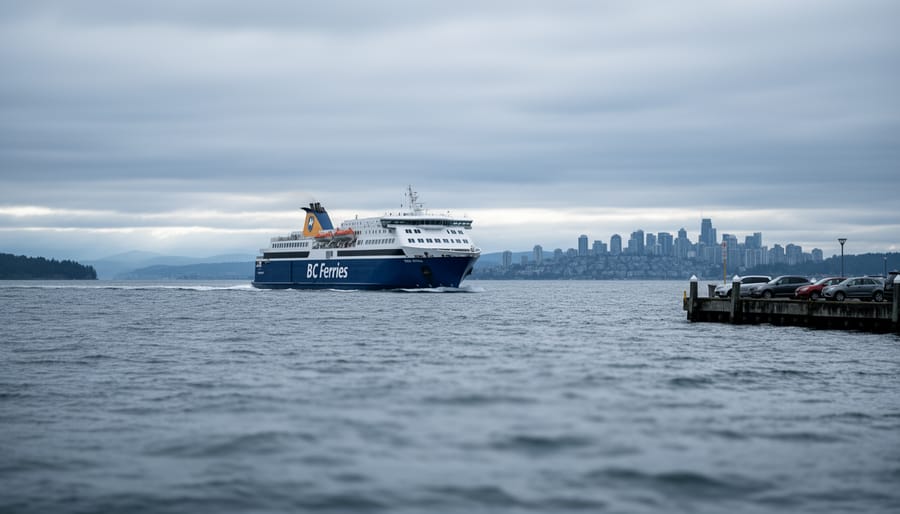
BC Ferries travellers have faced a string of frustrating cancellations recently, with mechanical issues and windy weather forecasts capping off what should have been a smooth Easter long weekend. The disruptions hit hard for both tourists eager to explore Vancouver Island and the Gulf Islands, and locals trying to get home after holiday visits. When sailings get scrapped, sometimes with minimal notice, day-trip itineraries crumble, accommodation plans shift, and what was meant to be a scenic ferry crossing becomes a scramble for alternatives.
The major routes connecting Tsawwassen to Swartz Bay (Victoria) and Duke Point (Nanaimo), along with Horseshoe Bay to Departure Bay (Nanaimo), typically bear the brunt of these disruptions. Smaller routes serving the Southern Gulf Islands, stops like Salt Spring, Galiano, and Pender, also see cancellations ripple through their schedules when vessels are reassigned or pulled for repairs. For visitors planning a weekend getaway to Butchart Gardens or a cycling tour through the Gulf Islands, a cancelled sailing doesn’t just delay your trip; it can eliminate hours of sightseeing or force you to rebook overnight stays on short notice.
Mechanical breakdowns aren’t new to BC Ferries, but they’re particularly painful during peak travel windows when demand is already high. Add in gusty spring winds, common along the Strait of Georgia in late March and early April, and you’ve got a perfect storm of disruption. Sailings get cancelled for safety, wait times balloon as passengers from scrapped runs pile onto the next available departure, and backup plans evaporate if you haven’t thought ahead.
If you’re building a Vancouver itinerary around an island day trip, treat your ferry reservation as tentative, not guaranteed. Book refundable accommodation where possible, and have a Plan B, whether that’s exploring North Shore attractions instead, or shifting your island visit to a different day. Savvy travellers check the forecast (both marine and weather) a day or two out, and they never schedule a must-catch ferry departure right before a flight home. BC Ferries will refund or rebook your ticket if they cancel your sailing, but they won’t reimburse the hotel night you can’t use or the tour you missed on the island. Pack patience, flexibility, and a cushion of extra time into your Gulf Islands or Vancouver Island plans, and you’ll handle the inevitable hiccups far better than those who expect clockwork service.
2. Major Infrastructure Announcement Signals Transit and Park Improvements
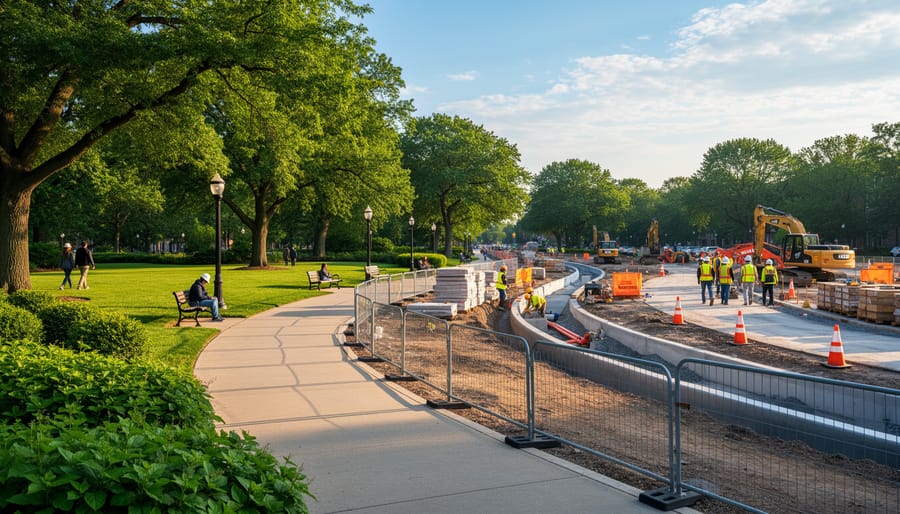
On April 7, 2026, the Honourable Jill McKnight and City Councillor Sarah Kirby-Yung gathered at Oak Park (900 W 59 Ave) to unveil a significant infrastructure investment affecting Vancouver’s south side. The announcement took place near the construction site at the park’s south end, a location that gives a glimpse into how these projects will reshape neighbourhood connectivity and green space access.
Infrastructure investments like this typically focus on upgrading aging transit corridors, improving cycling and pedestrian pathways, and enhancing park facilities that serve both residents and visitors exploring beyond downtown. When the city channels funding into these projects, it strengthens the network that connects neighbourhoods to major attractions, making it easier for tourists to venture into quieter districts where authentic local culture thrives.
Oak Park sits in the Marpole area, a residential zone that’s increasingly on the radar for visitors seeking affordable accommodation options within easy reach of Richmond and YVR Airport. Improvements to transit connections in this part of the city can cut travel times to popular destinations like Granville Island, the Vancouver Aquarium, or the shops along South Granville. Better cycling infrastructure means tourists can safely pedal from budget-friendly hotels to waterfront trails without navigating heavy traffic.
These projects also preserve and upgrade the green spaces that define Vancouver’s appeal. Park enhancements often include better pathway lighting, accessible washrooms, and community gathering spots that feature in Vancouver stories about neighbourhood identity and livability. For visitors, well-maintained parks offer free rest stops during cycling tours or walking explorations between major sites.
The timing matters because infrastructure work can temporarily disrupt transit routes or close lanes near construction zones. Knowing which areas are undergoing improvements helps tourists avoid unexpected detours and plan efficient routes between their hotel and the attractions on their itinerary.
3. AC/DC’s Power Up Tour Brings Major Event Traffic to BC Place
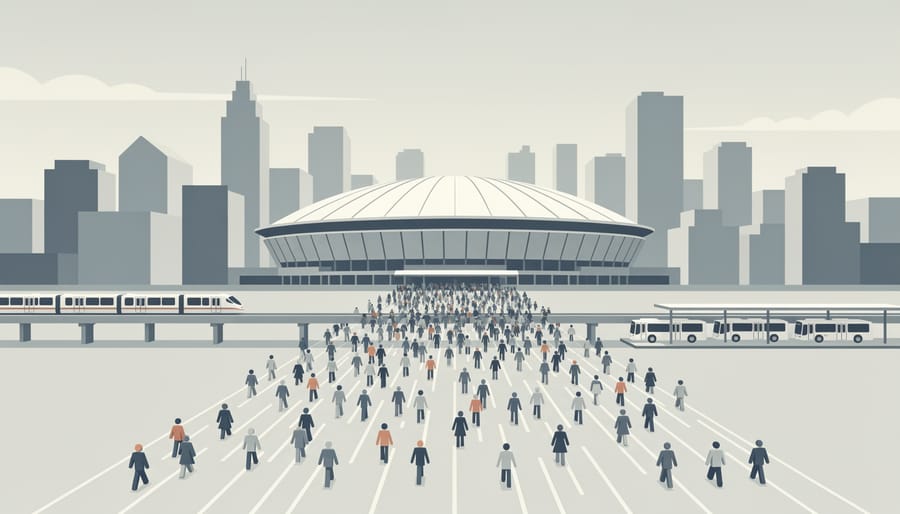
AC/DC’s legendary Power Up Tour rolls into BC Place on August 13, 2026, bringing thousands of rock fans to downtown Vancouver and creating one of the summer’s biggest transportation challenges for visitors and locals alike. With special guest The Pretty Reckless warming up the crowd, this stadium concert will pack BC Place to capacity and trigger the kind of transit congestion, parking scarcity, and accommodation demand that turns downtown into a logistical puzzle for anyone in the area that evening.
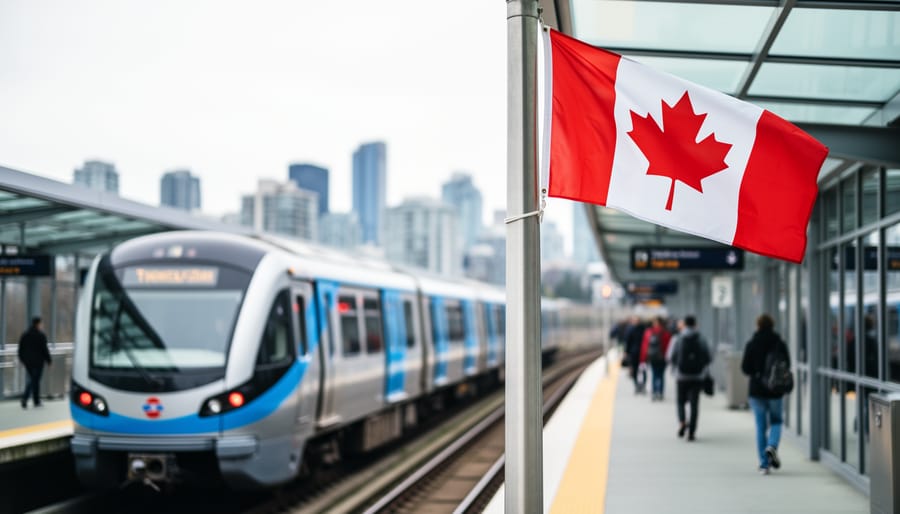
If you’re planning a summer visit to Vancouver around mid-August, factor this concert into your itinerary, not just as a potential ticket opportunity, but as a scheduling consideration that affects everything from hotel availability to restaurant waits. Downtown hotels within walking distance of BC Place typically sell out weeks in advance for major stadium events, and rates climb accordingly. Even if you’re not attending the show, you’ll share SkyTrain cars with pre-concert crowds from late afternoon through early evening, particularly on the Expo and Millennium Lines converging at Stadium-Chinatown Station.
Parking becomes virtually impossible within a six-block radius of the venue once gates open. The handful of surface lots and parkades near False Creek fill by late afternoon, and street parking disappears even earlier as savvy concertgoers stake out free spots. Here’s how to navigate Vancouver during major BC Place events without the headache:
- Take the Expo Line directly to Stadium-Chinatown Station and walk five minutes to the venue, the easiest route with extended service after the show
- Park at a suburban SkyTrain station like Commercial-Broadway or Metrotown and ride in, avoiding downtown parking fees entirely
- Book dinner reservations in Yaletown or Gastown for 4:30 or 5 p.m., well before the pre-concert rush hits restaurants
- If driving is unavoidable, arrive before 4 p.m. and explore the nearby outdoor playground of False Creek Seawall until showtime
The concert also creates ripple effects across the hospitality sector. Restaurants in the stadium district see their busiest nights of the year during these events, with waits stretching past an hour if you haven’t booked ahead. Taxis and rideshares become scarce immediately after the final encore, as 54,000 fans simultaneously request rides. Budget extra time if you’re trying to catch a late ferry or have evening plans elsewhere in the city, what’s normally a 20-minute trip can easily double when you’re fighting post-concert traffic.
For tourists treating Vancouver as an outdoor playground during their August visit, consider this concert a reason to explore neighbourhoods beyond downtown that evening. Kitsilano Beach, Commercial Drive, and the North Shore offer their usual summer activities without the stadium-district chaos, and you’ll actually find parking and patio seats.
Why It Matters: Impact on Vancouver Tourism and Local Transportation
These developments hit where it counts: your ability to move around Metro Vancouver and beyond. When BC Ferries cancellations pile up, tourists lose entire days they’d planned for exploring Victoria’s Inner Harbour or hiking in the Gulf Islands. Locals miss family gatherings or medical appointments. The ripple effect touches waterfront restaurants that depend on day-trippers, tour operators with non-refundable bookings, and hotels that suddenly face same-day cancellations when travellers can’t reach their destinations.
Infrastructure investment shapes how smoothly you’ll navigate the region for years to come. Better transit connections mean tourists can hop between Granville Island and Stanley Park without rental car headaches. Improved park access opens green spaces to families who previously struggled with limited parking or confusing bus routes. These aren’t just construction projects, they’re upgrades that determine whether visitors spend their vacation stuck in traffic or actually experiencing what they came to see.
Major events like the AC/DC concert create short-term challenges but long-term opportunities. Downtown hotels fill months in advance. Restaurants near BC Place see packed dining rooms before and after the show. The trade-off? Anyone planning a quiet August visit needs to book early and expect higher prices, crowded SkyTrain cars, and detours around event security zones. Public transit updates become essential reading when 50,000 concertgoers flood the downtown core.
Together, these factors determine whether your Vancouver experience flows smoothly or demands constant plan adjustments. Ferry reliability affects island access. Infrastructure work reshapes neighbourhood connections. Big events create excitement but require strategic timing. Understanding all three helps you visit smarter and navigate better.
What to Watch: Planning Your Visit Around These Developments
Staying ahead of these developments means bookmarking the right resources and building flexibility into your plans. BC Ferries posts real-time sailing updates on their official website and social media channels, check these before you head to the terminal, especially during stormy weather or long weekends when mechanical issues tend to surface. For infrastructure projects, TransLink’s Service Advisories page and the City of Vancouver’s Construction Projects portal track road closures and transit detours that might affect your route to specific attractions or neighbourhoods. If you’re visiting during a major event like the AC/DC concert, plan to arrive downtown at least two hours early and consider using SkyTrain or dedicated event shuttles instead of driving; parking near BC Place fills fast and surrounding streets close for crowd management.
How do I check real-time BC Ferries status?
Visit or follow their Twitter account for immediate sailing updates, cancellations, and estimated wait times. The BC Ferries mobile app also sends push notifications for route changes.
Will infrastructure work affect my neighbourhood visit?
Check the City of Vancouver’s Construction Projects map and TransLink Service Advisories before your trip. These tools show current road closures, detours, and transit route changes by neighbourhood.
How early should I arrive for major BC Place events?
Arrive at least two hours before showtime for large concerts. Stadium-area transit stations and parking lots reach capacity quickly, and street closures around the venue begin well before doors open.
Where can I find alternative routes during disruptions?
Google Maps and the TransLink Trip Planner automatically adjust for current service changes. For ferry backups, consider the Horseshoe Bay, Bowen Island route as a scenic alternative day trip when Tsawwassen sailings are delayed.
Book accommodations and major attractions with cancellation policies that allow changes within 24 to 48 hours, this gives you room to pivot if a ferry cancellation scrambles your island excursion or a downtown event creates unexpected congestion. I always build in buffer time between connecting trips; if you’re catching a ferry after a Vancouver activity, leave an extra hour for traffic or transit delays rather than cutting it close. Sign up for email alerts from venues and transit agencies you’ll be using, and keep alternative plans in your back pocket: a rainy-day museum visit instead of a Grouse Mountain hike, or a Commercial Drive lunch if your Granville Island route gets detoured.