The Japanese Cultural Resource Center serves as Vancouver’s gateway to authentic Japanese heritage, offering language classes, cultural workshops, and community events that connect both newcomers and longtime residents to Japan’s rich traditions. Located in the heart of the city’s multicultural landscape, this grassroots organization has spent decades weaving Japanese cultural narratives into Vancouver’s social fabric through hands-on experiences that go far beyond tourist-friendly sushi-making demos.
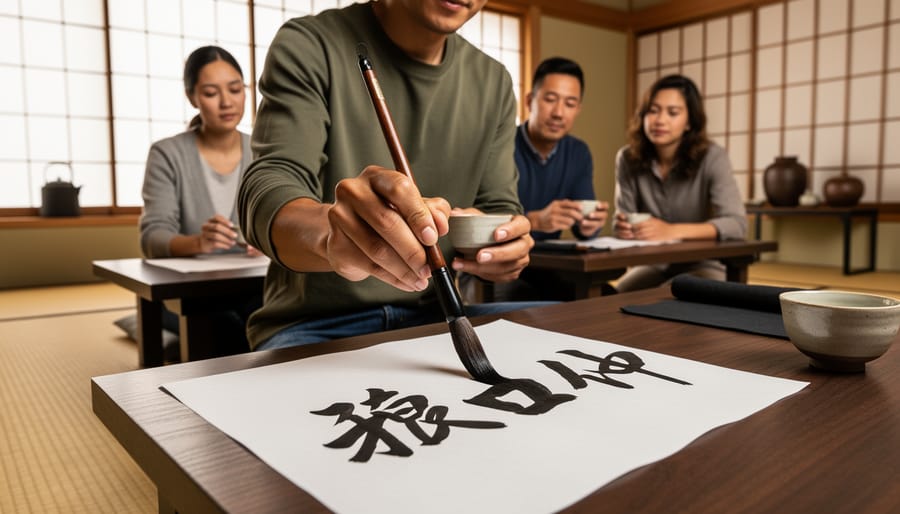
What makes this center particularly valuable is its focus on living culture. You won’t find velvet ropes or curated exhibits here. Instead, you’ll join small groups learning calligraphy from practitioners who’ve studied the art for decades, or attend film screenings followed by discussions that unpack contemporary Japanese society. I stumbled into one of their seasonal festivals last spring and found myself learning proper tea ceremony etiquette from a grandmother who’d been teaching the practice since the 1970s, surrounded by families who’d made attending these gatherings a monthly ritual.
The center fills a specific niche in Vancouver’s cultural landscape. While other institutions showcase Japanese culture from a distance, this organization invites you to roll up your sleeves and participate.
What the Japanese Cultural Resource Center Is
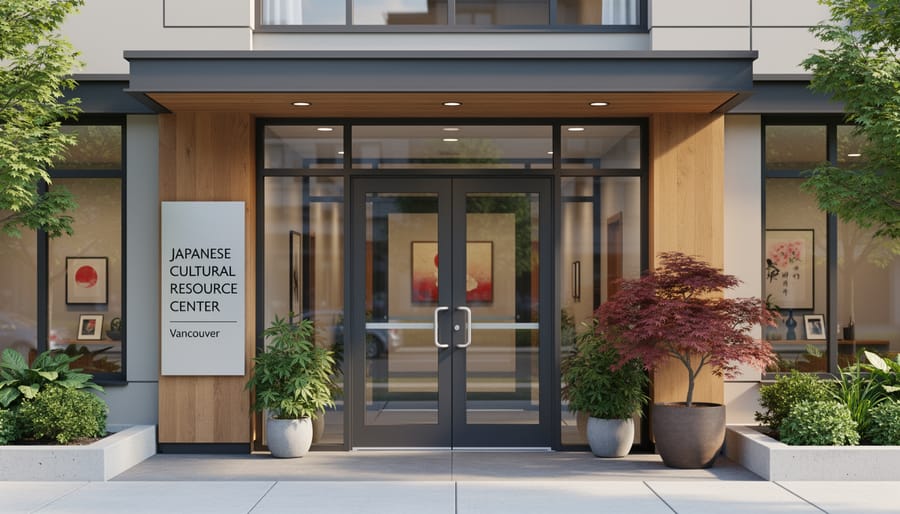
The Japanese Cultural Resource Center (JCRC) is a community hub in Vancouver dedicated to preserving and sharing Japanese-Canadian heritage through programs, events, and resources accessible to everyone. Located in the heart of the city’s historic Japanese-Canadian neighborhood, this grassroots organization has served as a cultural anchor since its founding in the late 1970s, when community members recognized the need for a dedicated space to celebrate their heritage and connect generations.
Unlike a museum or formal cultural institute, the JCRC operates more like a living community center where tradition meets everyday life. The physical space houses multipurpose rooms for classes and gatherings, a well-curated library with Japanese-language materials and historical archives, and welcoming areas designed for both intimate tea ceremonies and larger cultural celebrations. It’s the kind of place where you might find grandmother-aged volunteers teaching origami alongside third-generation Japanese-Canadians learning their ancestral language.
The center emerged during a pivotal time when Vancouver’s Japanese-Canadian community was rebuilding and reclaiming its cultural identity after decades of displacement and loss following World War II internment. Today, it stands as both a preservation project and a forward-looking cultural bridge, adapting traditional practices for contemporary audiences while maintaining deep roots in authentic Japanese customs. Whether you’re exploring your own heritage, researching Japanese-Canadian history, or simply curious about Japanese culture, the JCRC welcomes you as part of an evolving community story rather than just a visitor passing through.
Programs and Services Offered
Cultural Classes and Workshops
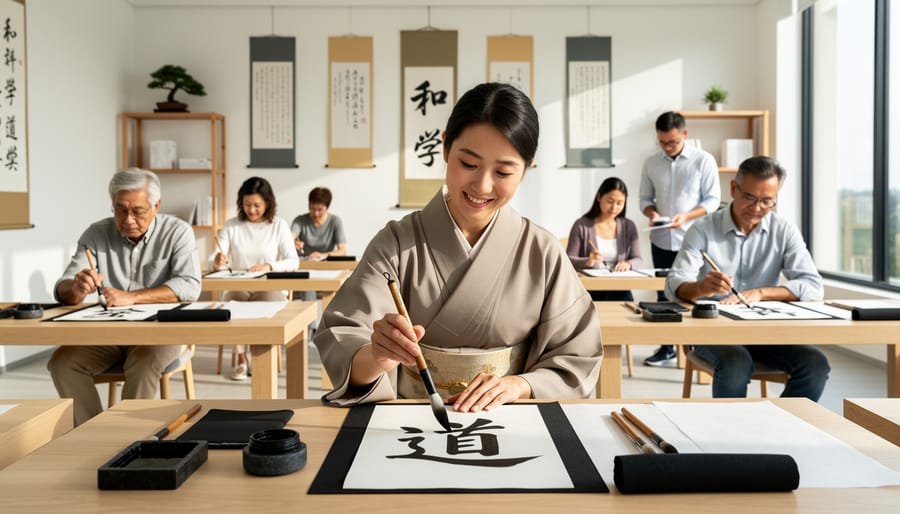
The center runs a rotating schedule of classes and workshops designed to make traditional Japanese culture accessible to everyone, from complete beginners to advanced practitioners. Japanese language instruction forms the core of their educational offerings, with multi-level courses meeting weekly throughout the year. Classes typically run in eight to twelve-week sessions, and instructors adapt lessons to include conversational practice, reading comprehension, and cultural context that helps learners understand not just vocabulary but the nuances behind the language.
Traditional arts courses create hands-on experiences that connect participants directly to centuries-old practices. Programs in calligraphy and more let you work with brush and ink to master the flowing strokes of shodo, arrange seasonal flowers according to ikebana principles, or learn the precise movements of a tea ceremony under the guidance of certified instructors. I took an introductory calligraphy workshop last spring, and the meditative focus required to create even simple characters completely changed how I think about art and patience.
Seasonal workshops expand beyond the regular schedule, offering crash courses in origami, Japanese cooking techniques, taiko drumming, and traditional textile arts like shibori dyeing. These shorter sessions work well for tourists or locals testing the waters before committing to a full term.
Events and Community Gatherings
The center’s event calendar pulses with activity year-round, offering something for every level of cultural curiosity. Monthly film screenings showcase contemporary and classic Japanese cinema, with the Vancouver Japanese Film Festival drawing particularly strong attendance each spring. I’ve found the post-screening discussions especially valuable, local filmmakers and cultural historians often attend, turning what could be a passive viewing into genuine dialogue.
Seasonal celebrations mark the traditional Japanese calendar: New Year’s mochitsuki (rice-pounding ceremony) in January, cherry blossom viewing parties in April, Obon festival in summer, and moon-viewing gatherings in autumn. These aren’t staged tourist performances but community traditions where you’re welcomed as a participant, not a spectator. The center also hosts weekly tea ceremonies open to newcomers, monthly lecture series featuring visiting scholars and artists, and regular conversation circles for Japanese language practice at all levels. Most events are free or low-cost, though some workshops and special performances require advance registration. Check their website or stop by to grab a printed calendar, popular events like the annual New Year celebration fill quickly.
Library and Research Resources
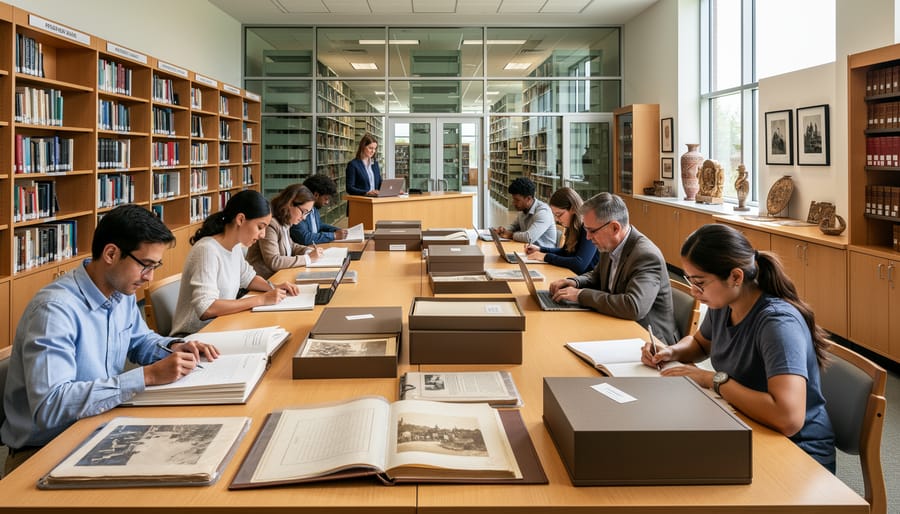
The center maintains a specialized library housing Japanese-language books, magazines, and newspapers that serve researchers, students, and community members seeking authentic materials. Unlike a general public library, this collection focuses on cultural preservation, with historical archives documenting the Japanese-Canadian experience in British Columbia, including immigration records, community newsletters, and oral histories. The holdings rival university resources like Columbia’s Japanese Studies collection in their depth of cultural materials. Staff can help you navigate Japanese-language resources or locate specific historical documents. I found their genealogy research support particularly valuable when tracing family histories. The quiet reading area welcomes drop-in visitors during open hours, though calling ahead ensures access to archival materials stored off-site.
Support Services
The center extends its role beyond cultural programming to provide vital support for Japanese-Canadians navigating life in Metro Vancouver. Newcomers receive settlement assistance, including help with documentation, community connections, and cultural orientation that eases the transition to a new country. The center also runs advocacy initiatives that preserve Japanese-Canadian heritage and address community concerns, from protecting historical sites to supporting language retention efforts. During my visit, staff explained how they connect families with social services, offer translation assistance for medical or legal matters, and maintain a network of volunteers who provide one-on-one mentorship. These support services create a safety net that strengthens the entire community while welcoming those who seek connection to their cultural roots.
Who the Center Serves
The Japanese Cultural Resource Center welcomes a remarkably diverse audience, each finding unique value in what the organization offers. While the center naturally serves as a gathering place for Japanese-Canadian community members maintaining cultural connections and shared heritage its doors open to anyone genuinely interested in Japanese culture and cross-cultural understanding.
Different groups benefit in distinct ways:
- Japanese-Canadian community members preserve traditions, connect with their roots, and find support within a familiar cultural space
- Heritage learners with Japanese ancestry explore their family history and reconnect with cultural practices their parents or grandparents may have set aside
- Cultural enthusiasts deepen their appreciation for Japanese arts, philosophy, and customs through authentic instruction rather than superficial exposure
- Researchers and students access specialized resources, archival materials, and expert guidance for academic or personal projects
- Newcomers from Japan find community support, practical assistance with settlement, and a bridge between their home culture and Canadian life
- Tourists seeking meaningful cultural experiences gain insider perspectives beyond what commercial attractions provide
I’ve noticed the center particularly excels at creating spaces where these different groups interact naturally. A tea ceremony class might bring together a third-generation Japanese-Canadian reconnecting with traditions, an exchange student from Osaka, and a Vancouver-born artist fascinated by Japanese aesthetics. These encounters foster genuine cultural exchange rather than observation from a distance.
The center also serves educators developing culturally responsive curriculum, businesses seeking cross-cultural training, and organizations planning authentic Japanese programming. Essentially, anyone approaching Japanese culture with respect and curiosity will find resources, guidance, and welcome here.
How to Visit and Engage
Planning Your Visit
The Japanese Cultural Resource Center is located in the historic Nikkei National Museum & Cultural Centre building at 6688 Southoaks Crescent in Burnaby, just off Kingsway near the Edmonds SkyTrain station. This makes it easily accessible by public transit options with the Edmonds station a short walk away. Street parking is available, though it fills quickly on event days.
The center typically operates Tuesday through Saturday from 10 a.m. to 5 p.m., with extended hours until 8 p.m. on Thursdays. Weekend afternoons tend to be busiest, especially when cultural classes are in session. I’ve found Tuesday or Wednesday mornings offer quieter browsing in the library and more one-on-one attention from staff who can answer questions about programs.
The building is wheelchair accessible with ramps and an elevator. First-time visitors should stop by the main desk where friendly staff will orient you to the space, explain current exhibits, and share upcoming events. Come with genuine curiosity, staff appreciate visitors who show interest in learning, not just sightseeing.
Joining Programs and Classes
The center welcomes new participants through a straightforward registration process. Most classes require pre-registration through their website or by phone, as spots fill quickly, especially for popular offerings like calligraphy and tea ceremony workshops. I’ve found calling directly often gets you the most current information about waitlists and upcoming session dates.
Membership isn’t mandatory for all programs, but it provides discounts on class fees and priority registration. Annual membership runs about $50 for individuals and $80 for families, paying for itself if you take more than two or three classes throughout the year. Drop-in rates for single workshops typically range from $15 to $40 depending on materials required, while multi-week courses cost between $120 and $250.
First-timers should start with introductory workshops rather than diving into advanced classes. The beginner Japanese language course and introductory ikebana sessions are particularly welcoming, with instructors who expect mixed skill levels. Arrive ten minutes early to complete any paperwork and meet fellow participants, the community atmosphere makes learning more enjoyable than formal instruction alone.
Attending Events
The center posts its event calendar monthly on its website and social media channels, typically two to four weeks ahead. Major celebrations like New Year’s (Oshogatsu) and the summer festival often fill up, so check the calendar early and RSVP promptly when registration opens. Many events are free, though some workshops or special performances request small donations at the door.
Arrive fifteen minutes early for popular events to secure seating and chat with staff, who love sharing context about what you’ll experience. Dress comfortably but respectfully, especially for traditional ceremonies. If a cultural program includes food or tea, accept graciously and ask questions, organizers genuinely enjoy explaining traditions to curious newcomers. Bringing cash for donation boxes or craft sales supports the center’s work directly.
Getting Involved
Volunteering at the center connects you directly with Japanese-Canadian heritage, from event setup to teaching assistance, opportunities suit various skills and schedules. Membership ($50, $100 annually) unlocks class discounts, library access, and priority event registration while supporting cultural preservation. Donations fund programming and outreach; the center welcomes one-time gifts or monthly contributions. Unlike outdoor city experiences getting involved here means becoming part of a living cultural community, whether through hands-on volunteering, financial support, or simply attending events regularly and spreading the word.
Frequently Asked Questions
The questions most visitors ask before their first visit reveal both curiosity and a bit of uncertainty about stepping into what seems like a specialized cultural space. Here’s what you need to know.
Do I need to speak Japanese to participate?
Not at all. While Japanese language classes are available, most programs and events are conducted in English or offer bilingual support. The center welcomes anyone interested in Japanese culture, regardless of language background.
How much does it cost to visit?
Browsing the library and attending many community events is free, though some workshops and classes have registration fees that typically range from $15 to $50 per session. Membership options offer discounts on programming.
Can tourists visit, or is it members-only?
Tourists are absolutely welcome. The center serves as a cultural bridge for anyone exploring Vancouver’s Japanese heritage, and visitors often find staff happy to answer questions about the exhibits and resources available.
What makes this center different from other cultural organizations in Vancouver?
It’s one of the few places that combines active community support for Japanese-Canadians with public cultural education, offering both deep historical archives and hands-on participation in living traditions. The center preserves heritage while actively creating new cultural connections.
One question that doesn’t get asked enough but should: what’s the best way to make the most of your first visit? I’d recommend starting with a browse through the library to get a sense of the center’s scope, then checking the events calendar before you leave. Many first-time visitors stumble onto a tea ceremony demonstration or film screening and end up becoming regulars. The staff genuinely enjoys talking about Japanese culture and can point you toward programs that match your interests, whether that’s learning basic phrases, trying your hand at calligraphy, or understanding the nuances of Japanese-Canadian history in Vancouver.
The Japanese Cultural Resource Center stands as a living connection between heritage and modern Vancouver, offering everyone, from curious first-time visitors to longtime community members, a welcoming space to experience and preserve Japanese culture. Whether you’re drawn by language classes, seasonal festivals, or simply the chance to learn something new, this center embodies the rich cultural tapestry that makes exploring Metro Vancouver endlessly rewarding. Your visit supports both cultural preservation and community connection in one of the city’s most authentic cultural spaces.