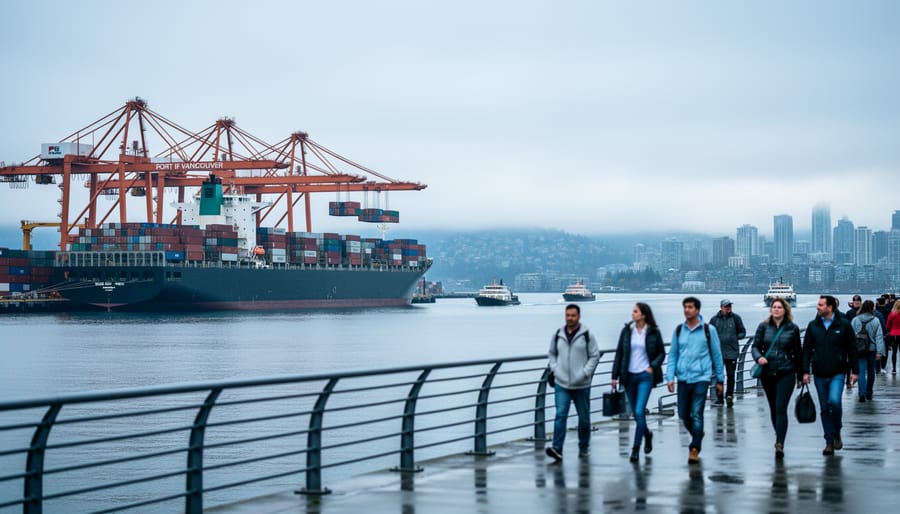
Vancouver is experiencing a wave of developments this fall that directly affect how you’ll get around, what you’ll see, and when to plan your visit. Six key events are reshaping the city’s landscape right now: dockworker labor action at the Port of Vancouver, the recent National Day for Truth and Reconciliation holiday, ongoing summer festival planning, and several transportation and attraction updates that change your day-to-day experience exploring the city.
If you’re visiting or live here, these shifts matter because they touch everything from ferry schedules and container terminal access to which days businesses close and which neighborhoods host major cultural events. Last week, about 100 union delegates from four countries rallied outside DP World’s Centerm terminal following an international summit on automation, a preview of potential disruptions before the March 2027 contract expiration. Meanwhile, the National Day for Truth and Reconciliation on September 30 fell on a Wednesday this year, creating a midweek closure pattern that caught some travelers off guard.
I’ve watched Vancouver adapt to these kinds of changes for years, and the trick is knowing which developments demand immediate attention and which just require a mental note for future trips. The practical impact ranges from rerouting your waterfront walk to adjusting restaurant reservations around statutory holidays, and staying informed means you won’t waste time showing up to a closed attraction or sitting in unexpected traffic.
What’s Happening Now: 6 Current Events Shaping Vancouver
Vancouver’s landscape is shifting as six significant developments converge to reshape the city’s transportation networks and tourism experience. From labor tensions at the Port of Vancouver to cultural observances honoring First Nations history these events affect how visitors navigate the city and what they’ll encounter at attractions across Metro Vancouver.
Understanding these current events helps you anticipate service changes, avoid unexpected closures, and make the most of your time exploring the city. Whether you’re arriving by cruise ship, planning excursions to local attractions, or navigating public transit during peak festival periods, these six developments provide essential context for the Vancouver experience in fall 2026.
1. Port Workers Rally Against Automation at DP World Terminal
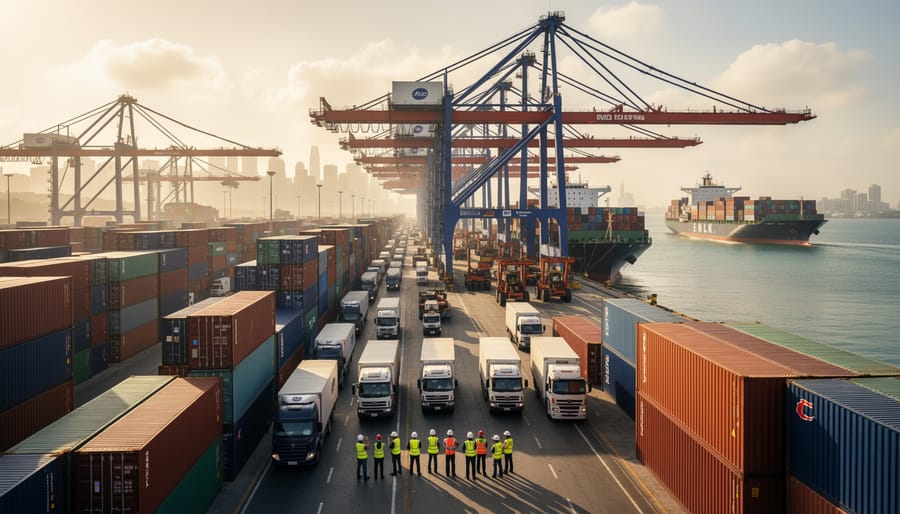
What This Means for Vancouver Visitors
For most visitors, the port labor situation remains a watch item rather than an immediate concern. The September rally at Centerm was a one-day demonstration that didn’t disrupt terminal operations or affect cruise ship arrivals at Canada Place, which sits across the harbor from the container facility.
Right now, you can explore the waterfront and cruise terminal area without worrying about access restrictions. Canada Place remains fully operational for cruise passengers, and the SeaBus terminal at Waterfront Station continues normal service connecting downtown Vancouver to North Vancouver.
The real timeline to keep in mind is March 2027, when the current longshore agreement expires. If you’re planning a cruise departure or waterfront hotel stay for spring 2027, it’s worth monitoring labor negotiations as they develop. Past port disruptions in Vancouver have occasionally affected cruise schedules and created congestion around terminal areas.
For now, the practical impact is minimal. The protest highlighted industry-wide automation concerns but didn’t change day-to-day port operations. You won’t encounter road closures or service interruptions at tourist-facing waterfront locations like Canada Place, the Convention Centre, or the harbor ferry docks that connect to Granville Island and other destinations.
2. National Day for Truth and Reconciliation Observed
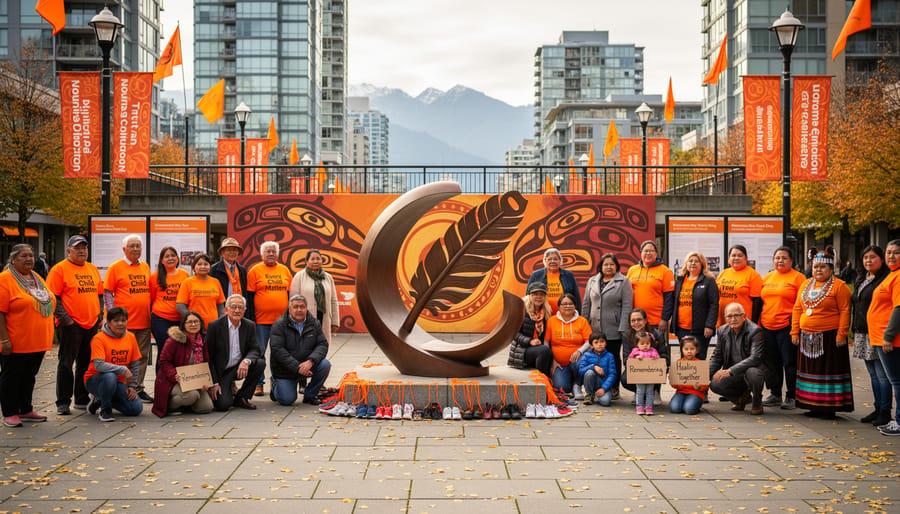
Impact on Services and Attractions
When the National Day for Truth and Reconciliation falls on a Wednesday, it creates a mid-week pause that affects visitor planning. Most federal government offices close, and many banks, post offices, and some corporate workplaces follow suit. Public transit operates on a modified schedule, TransLink typically runs Sunday service levels on statutory holidays, so expect less frequent buses and SkyTrain trains if you’re heading to attractions.
Many major tourist attractions remain open with regular or slightly reduced hours, but smaller independent museums and cultural sites may close. The Vancouver Art Gallery and Science World typically operate, though sometimes with adjusted schedules. Granville Island’s public market and shops usually stay open since it’s a popular destination regardless of holidays, but individual vendors set their own hours.
Restaurants and cafes in tourist-heavy neighborhoods generally welcome visitors, viewing the day as a revenue opportunity. However, some locally-owned businesses close so owners and staff can attend community events or reflection gatherings. The day carries solemn significance, residential school survivors and Indigenous communities hold remembrance ceremonies across the city. If you’re out exploring, be mindful of the day’s meaning. Wearing orange demonstrates solidarity, and visiting cultural sites like the Museum of Anthropology (if open) offers educational context rather than treating the holiday as just another day off.
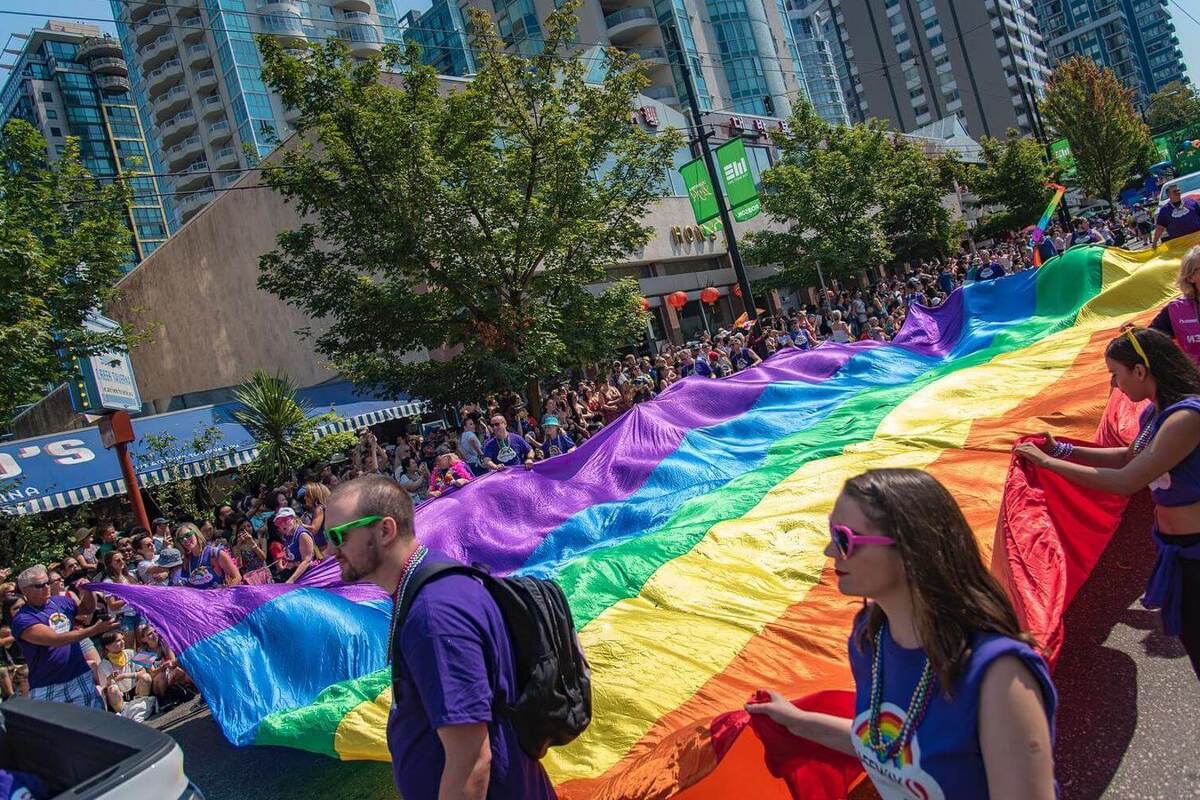
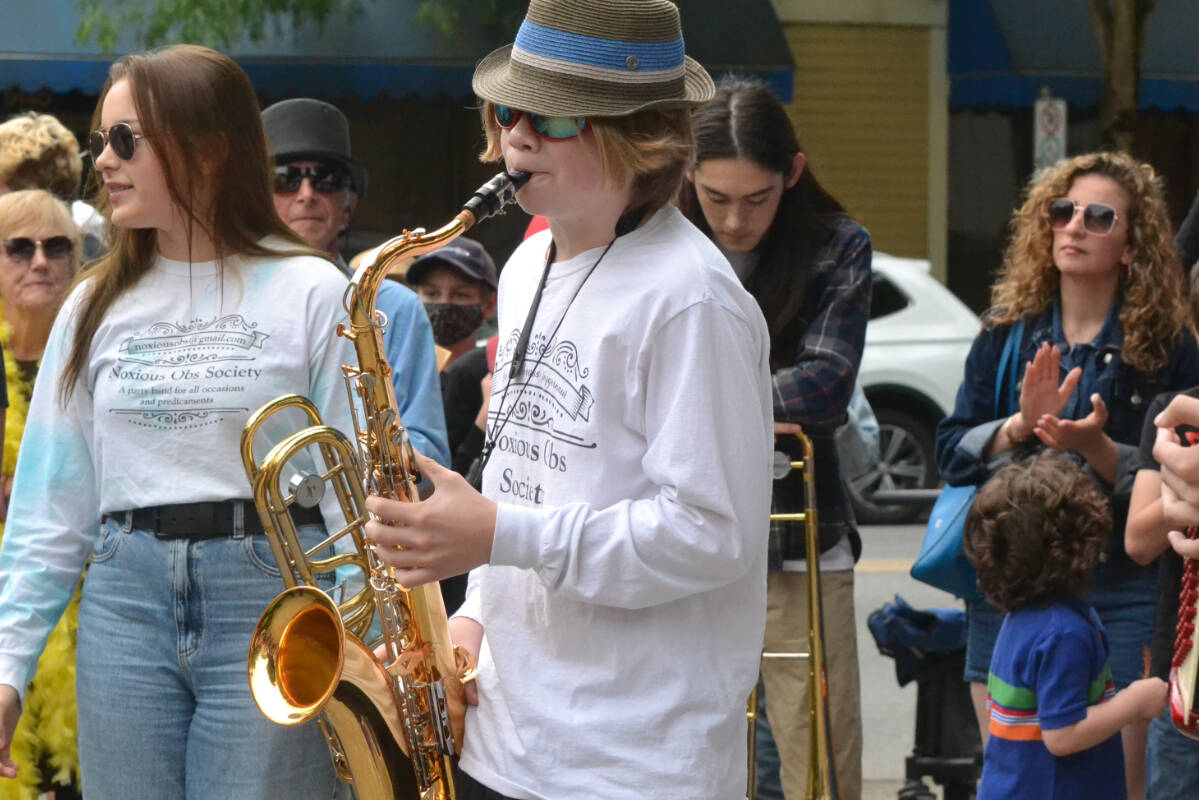
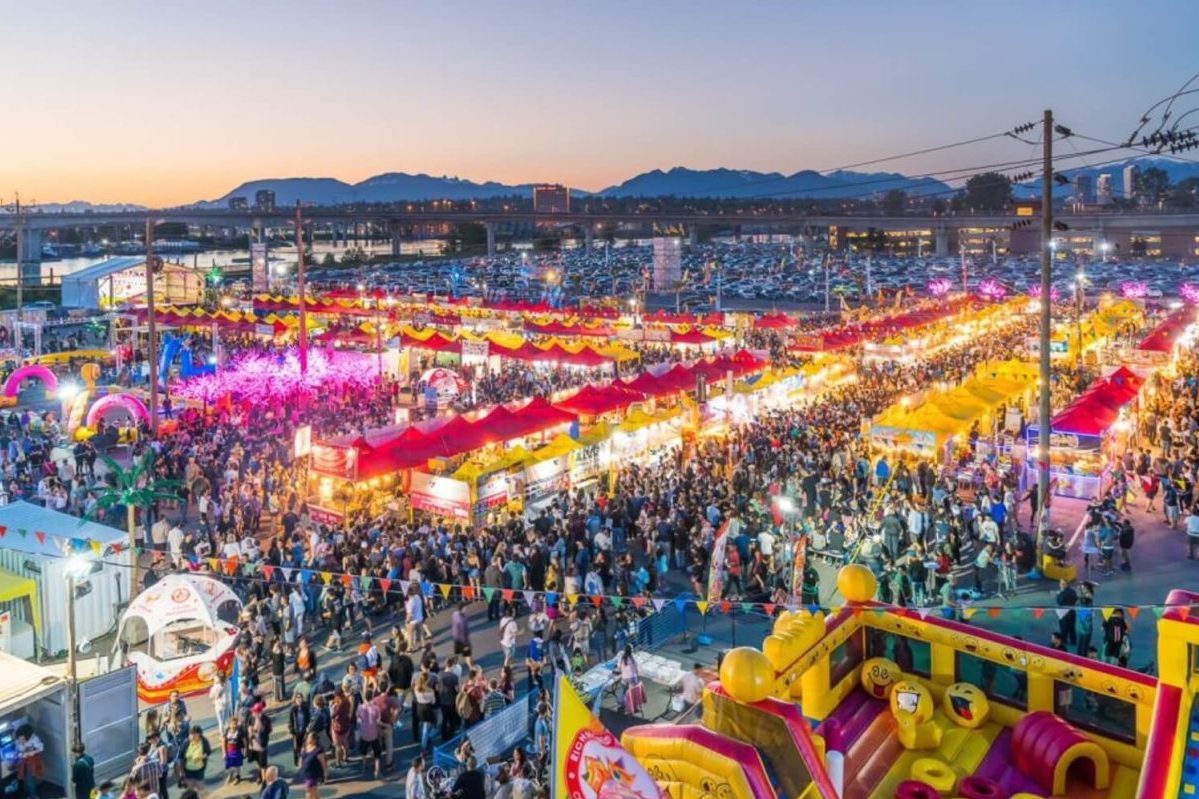
3. Summer 2026’s Packed Festival and Events Calendar
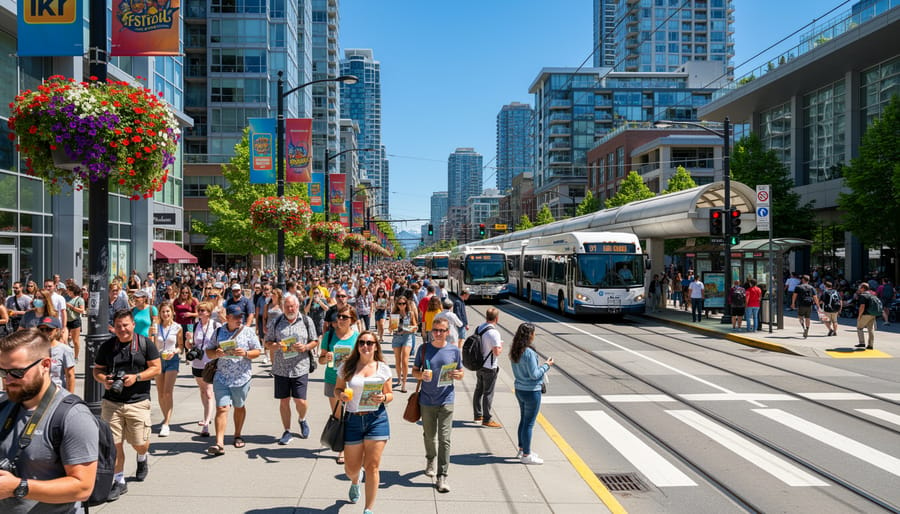
Transportation Tips During Peak Festival Season
During Vancouver’s packed festival summer, transit gets crowded and parking vanishes fast. Plan ahead by checking TransLink alerts before you head out, major events trigger extra buses and extended SkyTrain hours, but also road closures that can derail your plans. Download the TransLink app to track real-time arrivals and save yourself from standing at a bus stop that’s been temporarily relocated.
For popular festivals downtown or along the waterfront, arrive an hour earlier than you think necessary. The Canada Line from Richmond or YVR fills up quickly on event days, and you’ll often find yourself waiting for the second or third train. If you’re heading to outdoor venues like Stanley Park, cycling the seawall beats sitting in traffic, just reserve a bike early in the day before rentals sell out.
Day trips to national parks or North Shore attractions work better on weekdays during festival season, when locals flock to city events and leave the trails quieter. Book any excursion buses or tours the moment tickets go on sale, especially for high-demand dates in July and August when everything from Grouse Mountain gondolas to Granville Island ferries runs at capacity.
4. Ongoing Transportation Infrastructure Developments
Metro Vancouver’s transportation network evolves constantly, and staying aware of these shifts helps you move efficiently around the region. While specific project timelines vary, understanding how to adapt your travel plans ensures you can reach Vancouver’s outdoor playground and urban attractions without unnecessary delays.
TransLink services remain your best bet for navigating around construction zones and temporary route changes. Check their real-time updates before heading out, particularly if you’re traveling to waterfront areas or crossing bridges. The Canada Line, Expo Line, and bus network typically adjust schedules to accommodate infrastructure work, but advance planning prevents missed connections.
If you’re driving, allow extra time during peak hours. Road improvements and utility work can shift traffic patterns, especially along major arteries connecting downtown to surrounding municipalities. GPS apps provide current conditions, but having a backup route in mind saves frustration when detours appear unexpectedly. The key is flexibility, what works smoothly one week might require an adjustment the next as Metro Vancouver maintains and improves its transportation backbone.
5. Seasonal Shift: Fall 2026 Tourism Patterns
October marks a distinct shift in Vancouver’s tourism rhythm. The jam-packed festival schedule that defined summer has wound down, and the city transitions into what locals consider shoulder season, a period that offers advantages for visitors who time it right.
Expect fewer crowds at major attractions compared to the peak summer months. Popular destinations like Stanley Park, Granville Island, and the waterfront seawall become noticeably quieter, particularly on weekdays. This breathing room means shorter wait times and a more relaxed pace for exploring the city’s highlights.
Weather patterns during this transition period require flexibility. Early October can still deliver warm, sunny days perfect for outdoor activities, while later in the month typically brings more rain and cooler temperatures. Pack layers and waterproof gear, but don’t write off outdoor plans entirely, many locals consider fall the best time to experience Vancouver’s parks and gardens when autumn colours peak and tourist congestion drops.
Some seasonal attractions shift their hours or close for the year as October progresses, particularly outdoor-focused activities and tours. Check specific operating schedules before building your itinerary, especially if you’re visiting toward the end of the month.
6. What Local Changes Mean for Tourist Attractions
The ripple effects from labor uncertainty at the port, statutory holidays, and seasonal event patterns extend well beyond immediate inconvenience, they shape how Vancouver’s tourist attractions operate and how visitors experience the city. Understanding these interconnected developments helps you plan around potential disruptions while appreciating the deeper cultural context that makes Vancouver unique.
Here’s what tourists should keep in mind as these developments unfold:
- Waterfront attractions may face access challenges during port-related demonstrations or labor actions
- Cultural institutions adjust operating hours for National Day for Truth and Reconciliation observances
- Peak summer festival periods strain transportation capacity, requiring advance planning
- Seasonal transitions affect attraction availability and visitor density patterns
The National Day for Truth and Reconciliation, in particular, offers a meaningful opportunity to engage with Vancouver heritage through museum programming and Indigenous-led tours, even as some venues operate on modified schedules. Labor developments at the port primarily affect cruise terminal access and waterfront logistics rather than major downtown attractions, though visitors staying near Canada Place should stay alert to scheduled demonstrations. The summer’s packed festival calendar demonstrated Vancouver’s vibrant cultural scene while highlighting the importance of checking transit schedules during high-volume event weekends. These aren’t isolated incidents, they’re part of Vancouver’s living rhythm as a working port city, cultural hub, and year-round destination.
Why These Developments Matter
These six developments offer a revealing snapshot of Vancouver’s evolving landscape and what shapes the visitor experience right now. The dockworker protest at Centerm isn’t just a labor story, it signals potential disruptions that could affect cruise schedules, waterfront access, and the broader supply chain as the March 2027 contract deadline approaches. For anyone planning a spring 2027 trip, that timeline matters.
The National Day for Truth and Reconciliation falling midweek this year creates a different dynamic than weekend observances. Attractions close, transit runs on holiday schedules, and the city pauses in ways that visitors need to anticipate. Understanding this cultural moment helps you plan around closures while appreciating why the day holds such significance for Indigenous communities and all Canadians.
Summer 2026’s packed festival calendar demonstrates Vancouver’s cultural vitality, but it also means transportation gets stretched thin and popular areas fill up fast. Those patterns don’t vanish overnight, they inform how you approach fall planning, when to book accommodations, and which neighborhoods to avoid during peak events.
What connects these seemingly separate developments is their collective impact on the practical aspects of exploring Vancouver. Labor relations affect port operations and waterfront tourism. Cultural observances reshape business hours and service availability. Seasonal shifts determine which attractions open their doors and when transit frequency changes. Together, they create the real-world conditions that turn a good trip into a frustrating one or help you time everything perfectly.
What to Watch in the Coming Months
Looking ahead, three key areas warrant attention as you plan future Vancouver visits. The March 2027 longshore agreement negotiations will be crucial, watch for announcements from the British Columbia Maritime Employers Association and the union in early 2027, particularly if you’re planning spring travel or cruise departures. Seasonal transitions also matter: Vancouver’s fall and winter weather patterns significantly affect attraction hours and ferry schedules, so check individual venue websites closer to your travel dates rather than relying on summer timetables.
How can I stay informed about port disruptions affecting cruise terminals?
Check the Port of Vancouver’s official website and your cruise line’s travel advisories directly. Most cruise operators send email updates if labor actions or other port issues could affect embarkation schedules.
Which statutory holidays should I plan around when visiting Vancouver?
Beyond Truth and Reconciliation Day on Sept. 30, watch for Canada Day (July 1), BC Day (first Monday in August), and Remembrance Day (Nov. 11). Many attractions modify hours or close entirely on these dates.
Where can I find reliable updates on Vancouver transit disruptions?
TransLink’s website and Twitter feed provide real-time service alerts for buses, SkyTrain, and SeaBus. Download their app for push notifications about delays affecting your route.
For broader tourism updates, Tourism Vancouver’s website offers current information on major events and seasonal changes. I’ve found their monthly event calendars particularly useful for spotting festival dates that might affect hotel availability or transportation. Local news outlets like the Vancouver Sun and CBC Vancouver cover significant developments affecting visitors, though their focus naturally extends beyond tourism. The practical approach: bookmark official sources for the specific services you’ll use, BC Ferries for island trips, individual attraction websites for hours, TransLink for transit, and check them two weeks before departure rather than months in advance.